The Central Bank of Costa Rica (BCCR, by its acronym in Spanish) primarily works to keep inflation under control and safeguard the stability of the national currency, by coordinating with the National Council for the Supervision of the Financial System (CONASSIF, by its acronym in Spanish) to promote the safety and efficiency of the financial system.
About BCCR
We are the institution responsible for safeguarding the county’s economic stability. We work to keep inflation under control, protect the value of our currency, and ensure that the financial system and the payment system are safe, efficient, and accessible to all Costa Ricans.
Select the subtopic to view the information.
Former Presidents of the Central Bank
Juan Dent Alvarado, February 1950 - January 1952
Jaime Solera Bennett, January 1952 - June 1960 January 1968 - December 1969
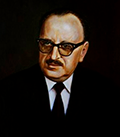
Ángel Coronas Guardia, June - December 1960
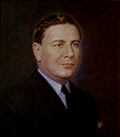
Max Gurdián Rojas, January 1961 - November 1962
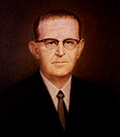
Carlos Manuel Escalante Durán, November 1962 - December 1964
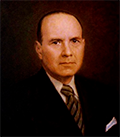
Rodolfo Lara Iraeta, January 1965 - December 1967, December 1969
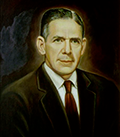
Juan Rafael Arias Trejos, Enero - Noviembre 1970
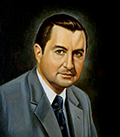
Jorge Rossi Chavarría, November 1970 - May 1971
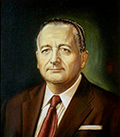
Hernán Garrón Salazar, June 1971 - December 1971
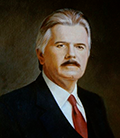
Bernal Jiménez Monge, September 1973, September 1974 - July 1977
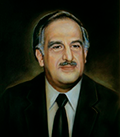
Porfirio Morera Batres, August - November 1977
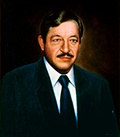
Juan José Arrea Escalante, Diciembre 1977 - Mayo 1978
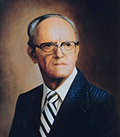
Guillermo González Truque, May 1978 - December 1979
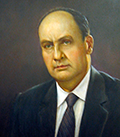
Manuel Naranjo Coto, January 1980 - May 1982
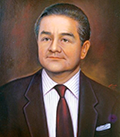
Carlos Manuel Castillo Morales, May 1982 - March 1984, May 1994 - March 1995
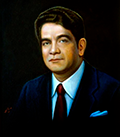
Marcos Antonio López Agüero, April - August 1984

Eduardo Lizano Fait, Setiembre 1984 - Mayo 1990, Mayo 1998 - Noviembre 2002
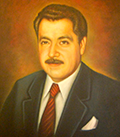
Jorge Guardia Quirós, May 1990 - October 1993
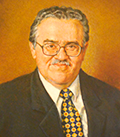
Jorge Corrales Quesada, October 1993 - May 1994
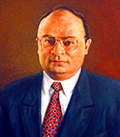
Rodrigo Bolaños Zamora, March 1995 - May 1998, June 2010 - May 2014
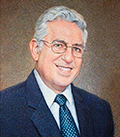
Francisco de Paula Gutiérrez, November 2002 - June 2010
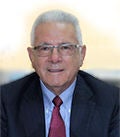
Olivier Castro Pérez, May 2014 - July 2018
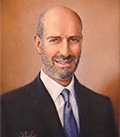
Rodrigo Cubero Brealey, August 2018 - May 2022
History of the Museum and its Collections
The Museum of the Central Bank of Costa Rica, first opened in 1994, is a cultural space that showcases the country’s rich historical and artistic heritage. Its origins date back to the establishment of the Central Bank in 1948, an institution focused not only on promoting economic stability but also on preserving Costa Rica’s cultural heritage. The museum is located in a modern building that combines contemporary design with Costa Rica’s architectural heritage. Over the years, the Museum’s collections have expanded to include everything from the history of money in Costa Rica to artistic and cultural expressions from different periods. At the same time, the Museum plays a fundamental role in the education about and the dissemination of the country’s economic and social history, thus becoming a cultural reference within the region.
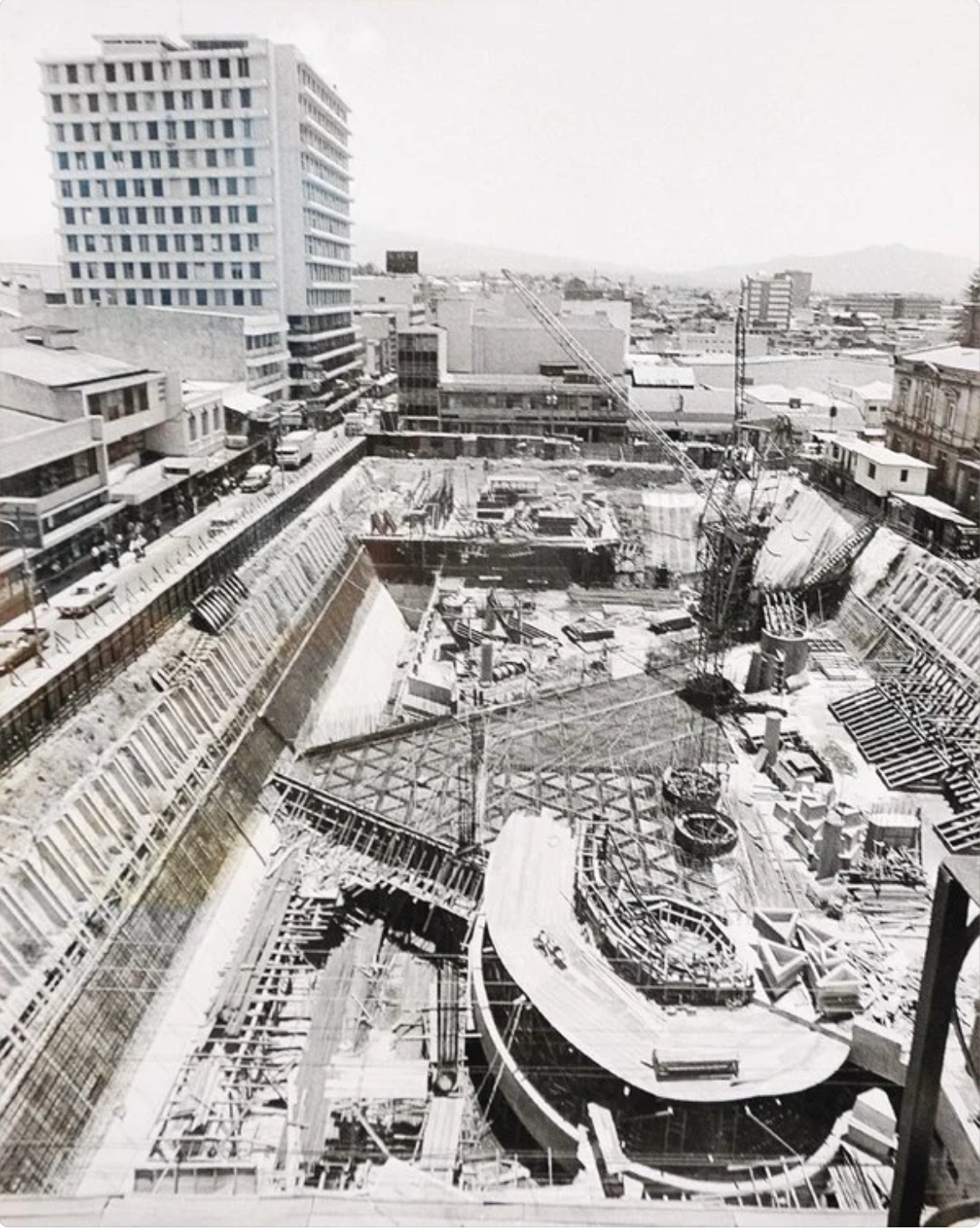
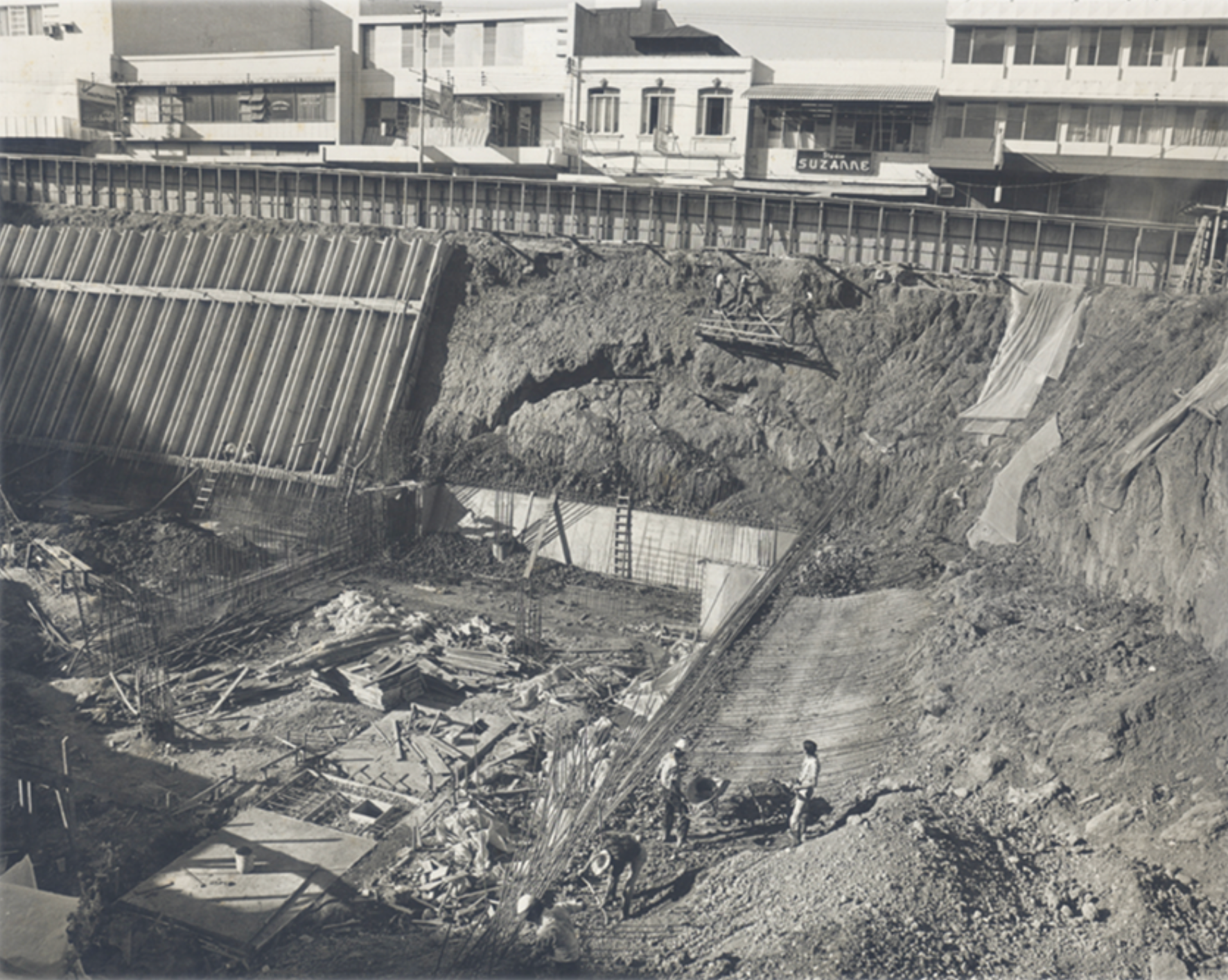
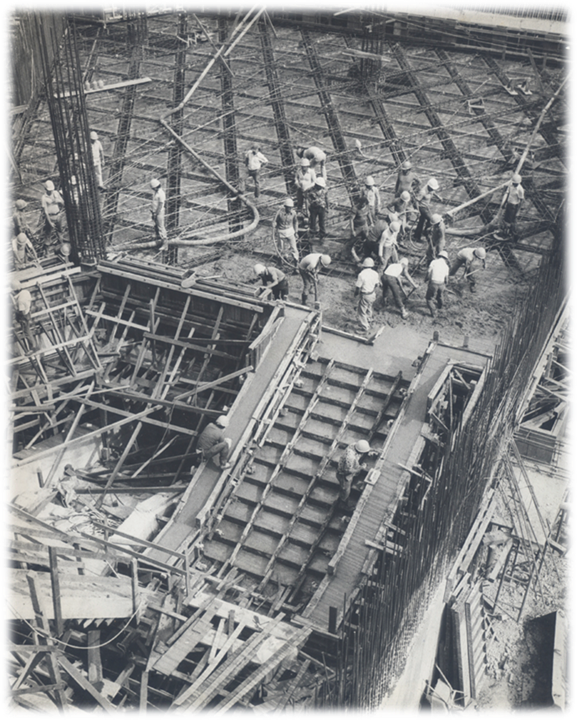
The Museum is placed in a building designed by Costa Rican architect Jorge Manuel Dengo, known for his modern architectural approach. The construction began in 1991 and was completed in 1994.
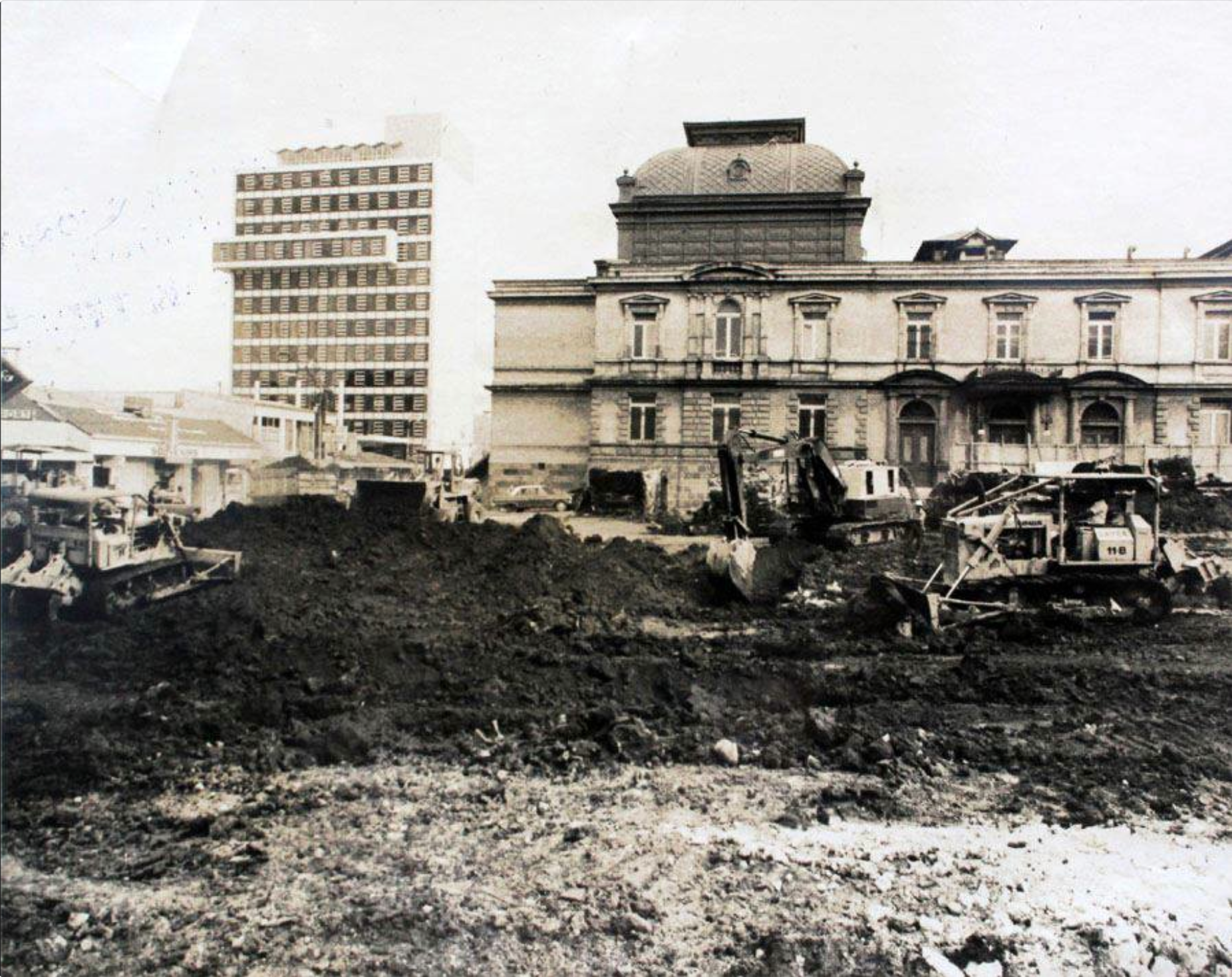
The building stands on the site of the ruins of a former church in the city of San José, adding historical significance to the space. Its design blends contemporary with Costa Rica’s cultural heritage, a choice that reflects the country’s national identity. The facade in concrete and glass allows natural light to fill the interior spaces, thus creating a warm and dynamic environment.
The Museum was conceived not only as a space to display collections, but also as an educational and cultural center. Since its inauguration, this space has hosted temporary exhibitions, educational activities, and cultural events, making it a gathering place for the community and visitors alike.
Its strategic location, in the heart of San José, facilitates accessibility while increasing its appeal for both Costa Ricans and tourists, a fact that contributes to the appreciation of the country’s history and culture.
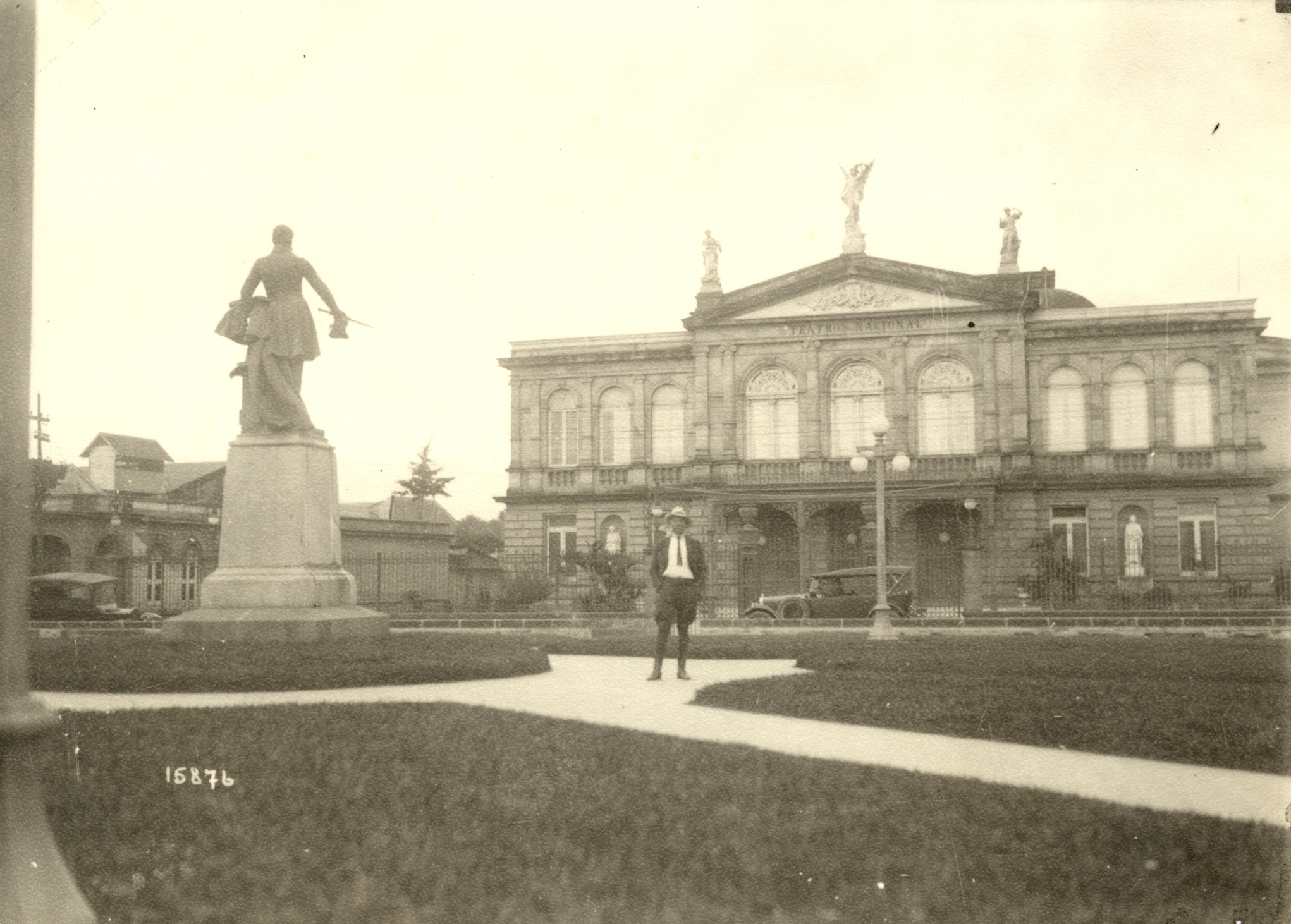
Today, the Museum of the Central Bank of Costa Rica continues to serve as an important cultural and educational hub. It offers a variety of permanent and temporary exhibitions on topics such as Costa Rica’s economic history, the evolution of money, and the country’s cultural heritage.
The Museum is also known for its art collection, which includes pieces by contemporary Costa Rican artists as well as pre-Columbian artifacts, reflecting the country’s rich cultural diversity. In addition, activities and workshops are organized for a wide range of audiences, including guided tours, lectures, and educational programs for students.
Simultaneously, the Museum has maintained and upgraded its facilities to provide visitors with a more interactive and accessible experience. Technology has been integrated into the exhibitions, helping visitors gain a deeper understanding of the topics on display.
The Museum continuously promotes research and raises awareness of the country’s cultural heritage, thus contributing to Costa Rica’s national identity and to a broader understanding of its economic history. It also participates in regional and international museum networks, further enriching its cultural and educational proposals.
The main building of this Museum is home to a variety of pieces and works by different artists, including the collections presented below.
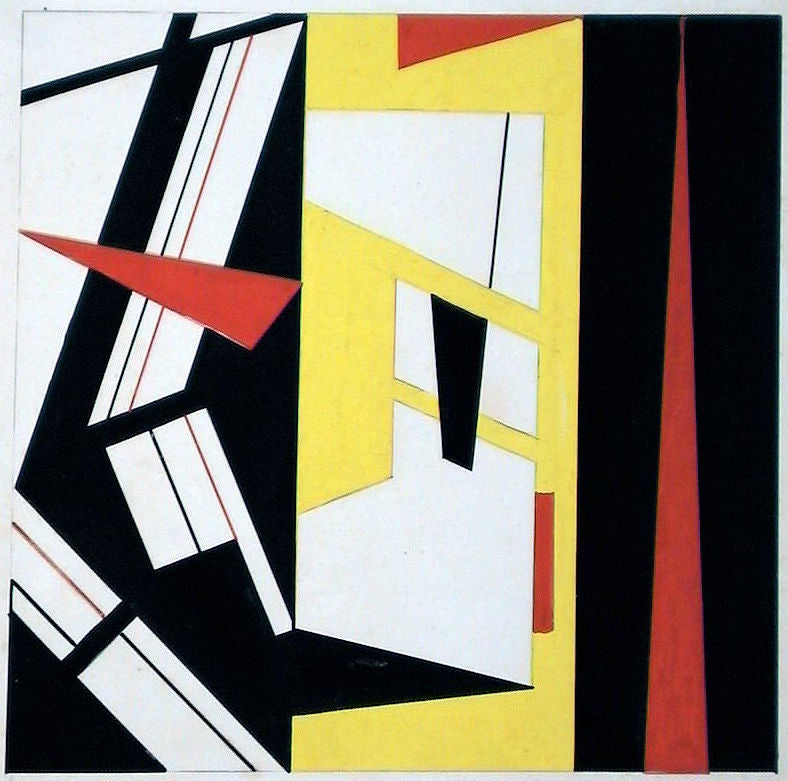
Abstracción. Author: Manuel de la Cruz González, 1964
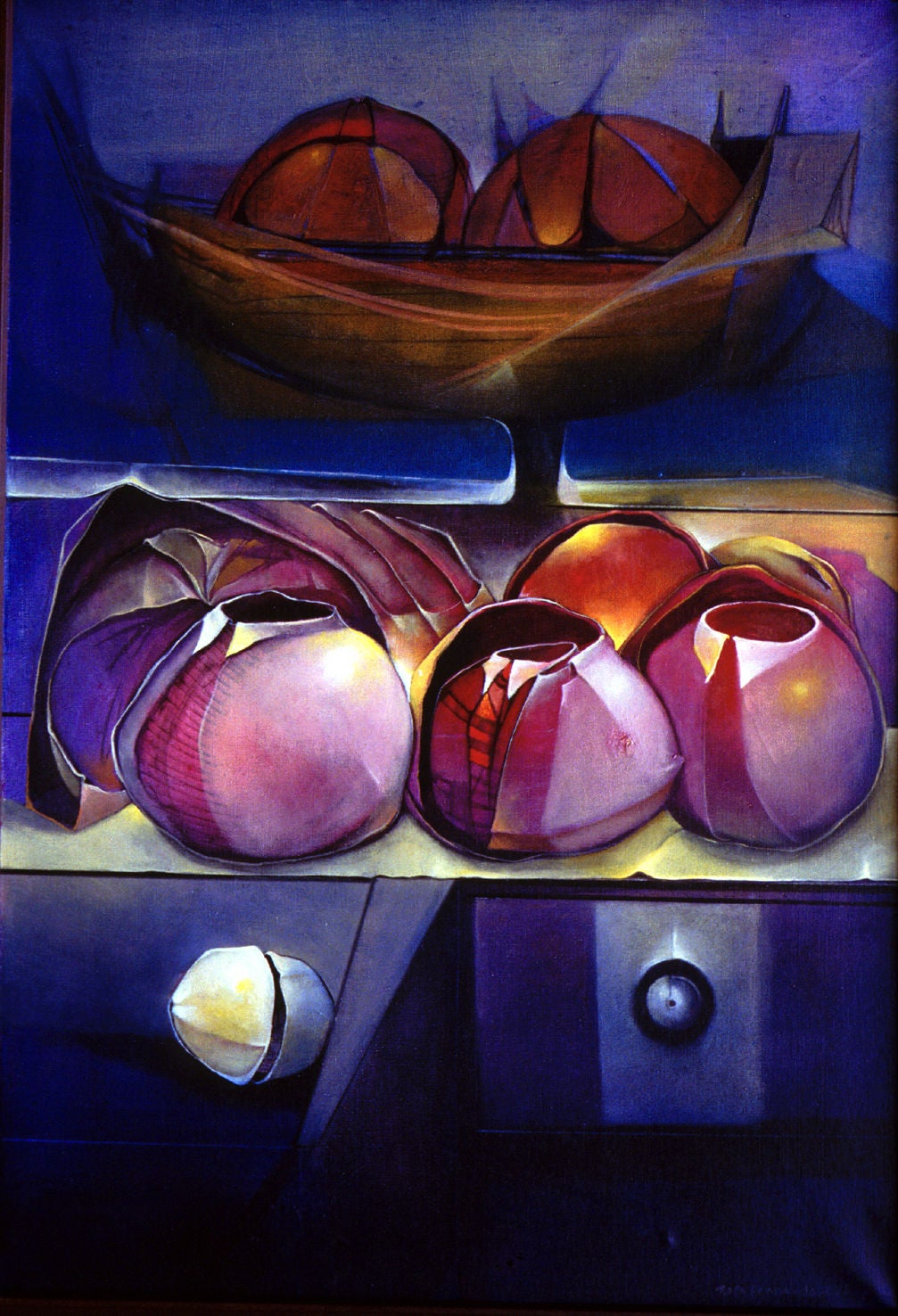
Bodegón en camisa. Author: Rafa Fernández, 1978
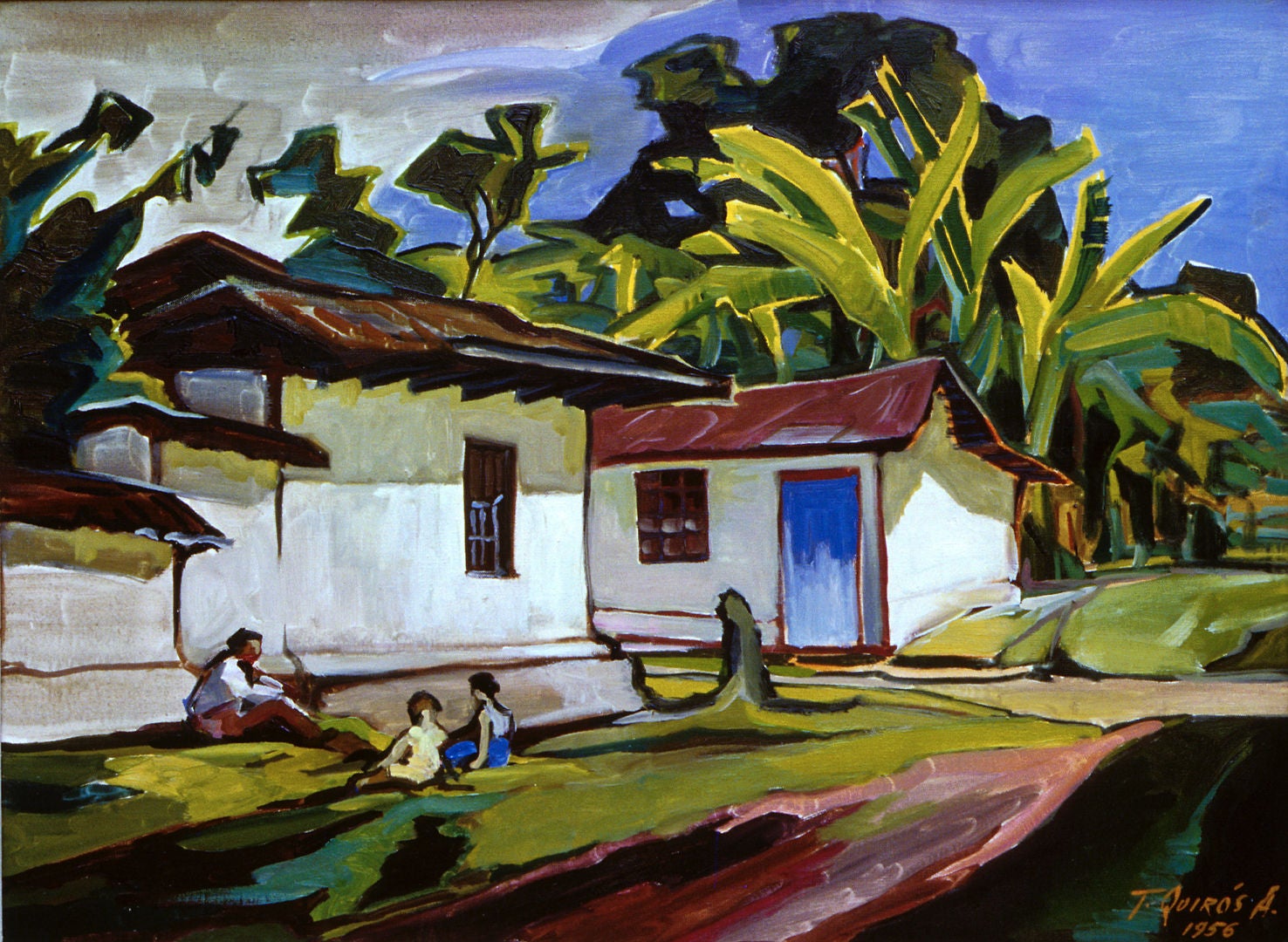
Calle de Santo Domingo. Author: Teodorico Quirós, 1956
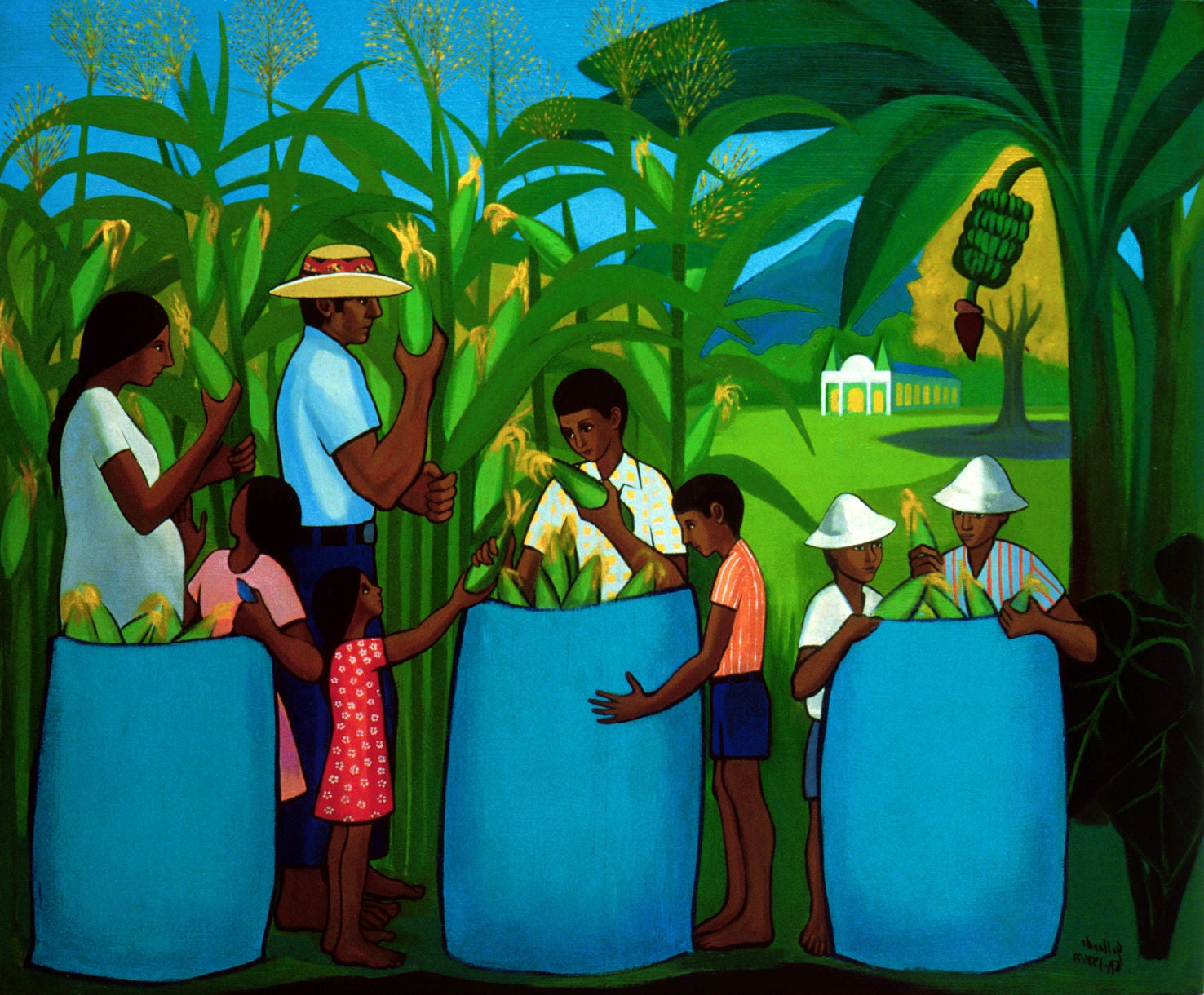
Cosecha de maíz. Author: Jorge Gallardo, 1976-1977
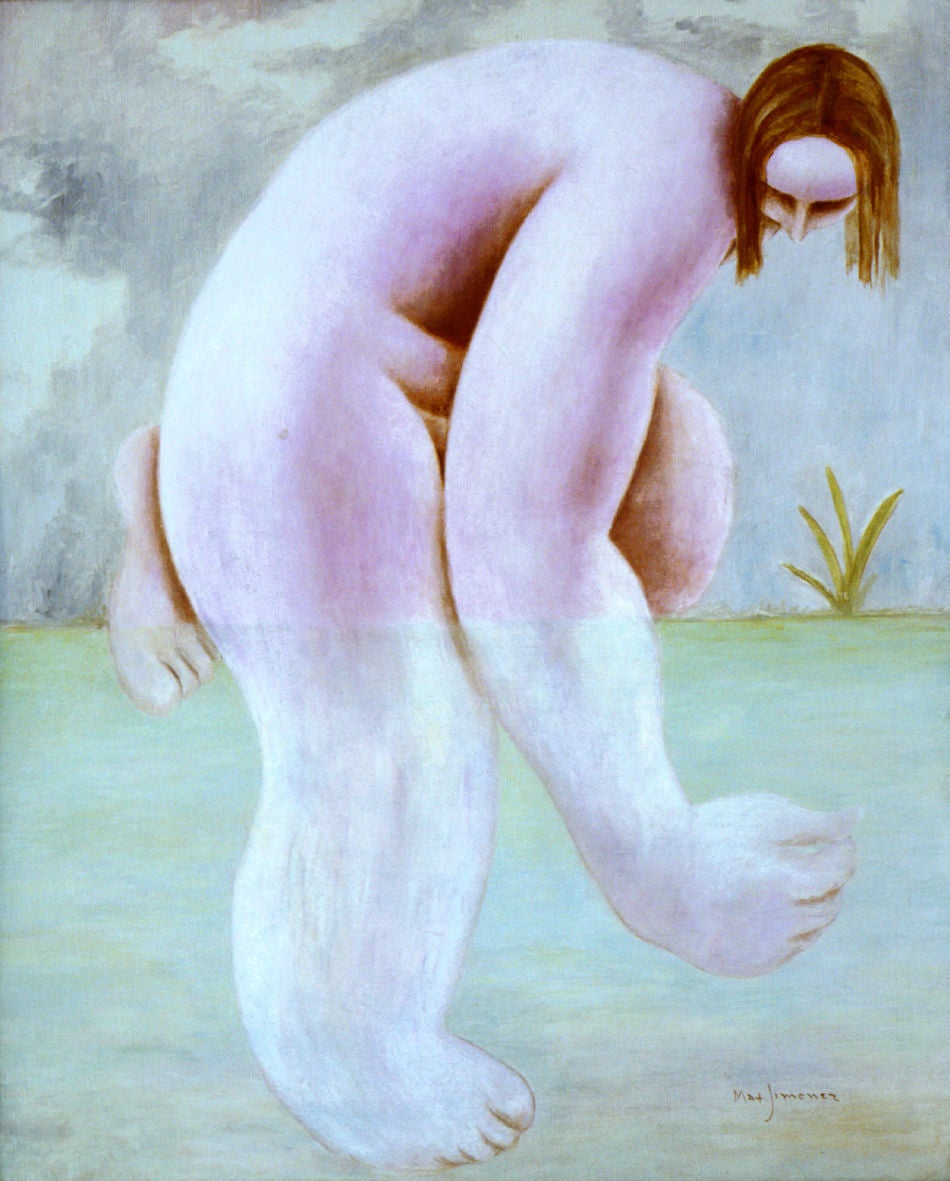
Mujer que emerge de las aguas. Author: Max Jiménez, 1939
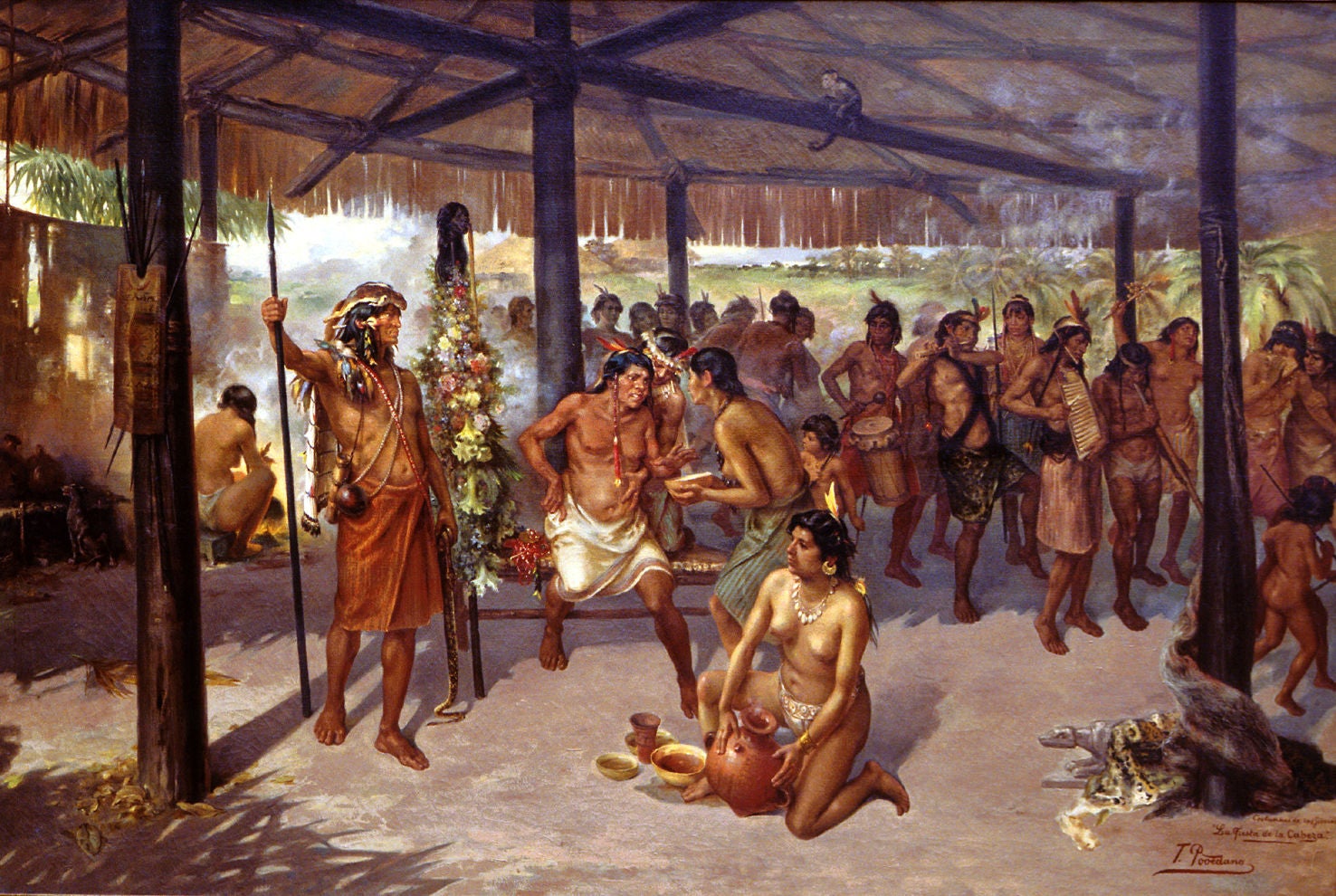
La fiesta de la Cabeza La fiesta de la Cabeza. Author: Tomás Povedano, 1897
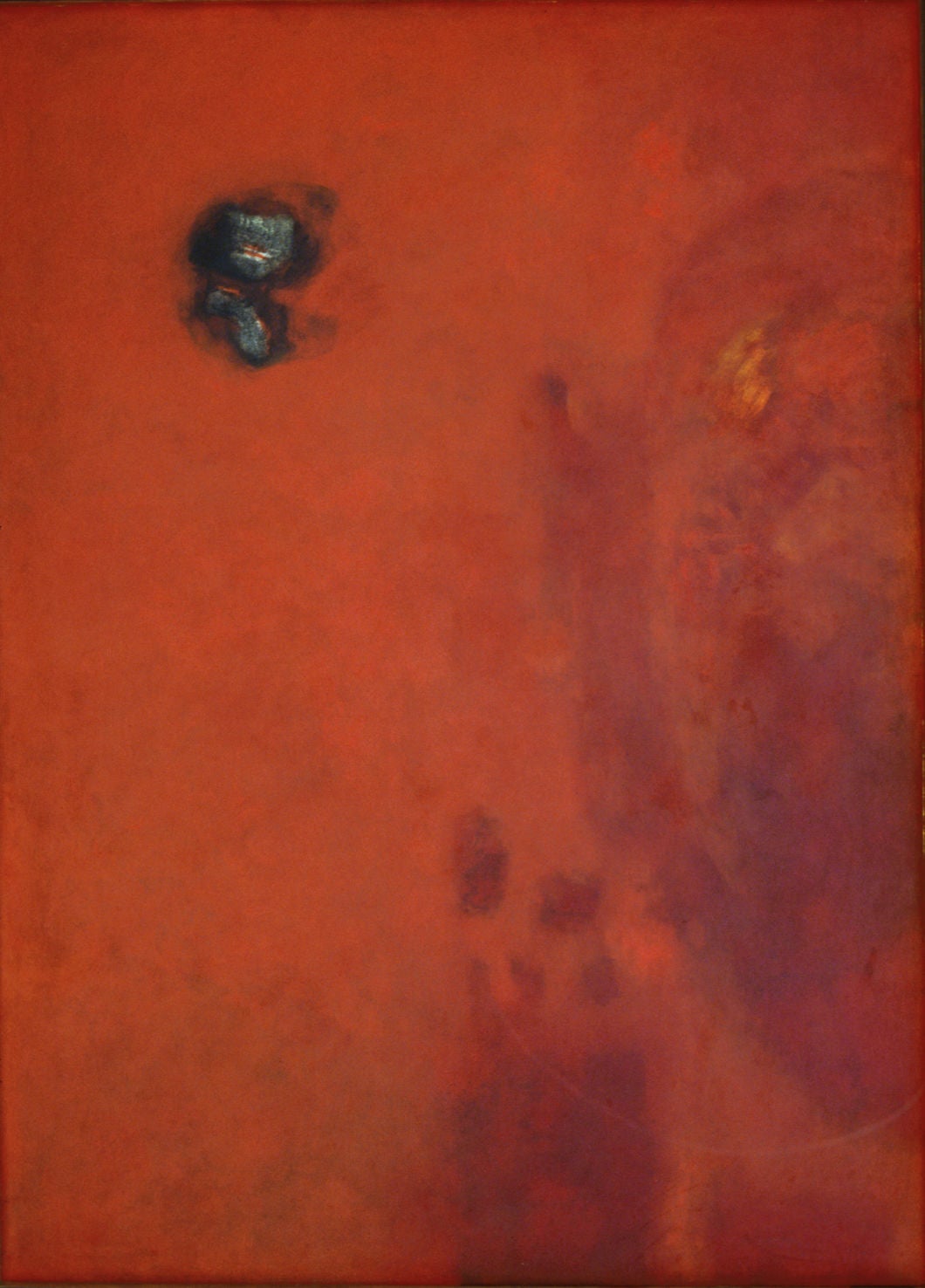
Impresión en Rojo. Author: Lola Fernández, 1967
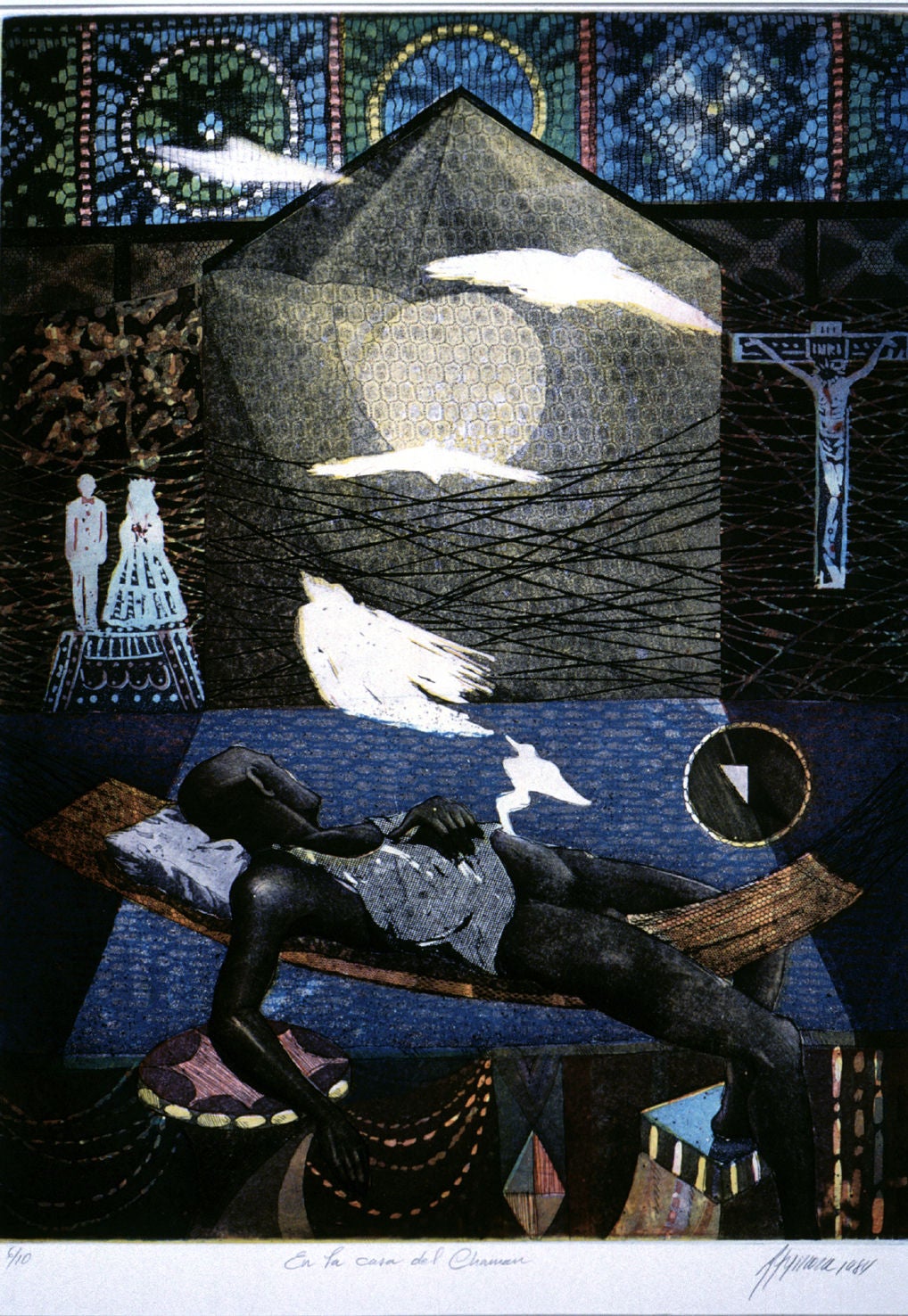
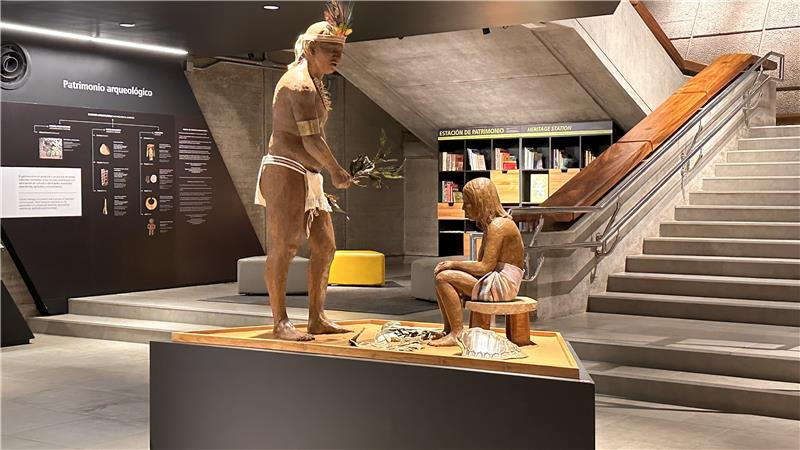
En la casa del chamán.
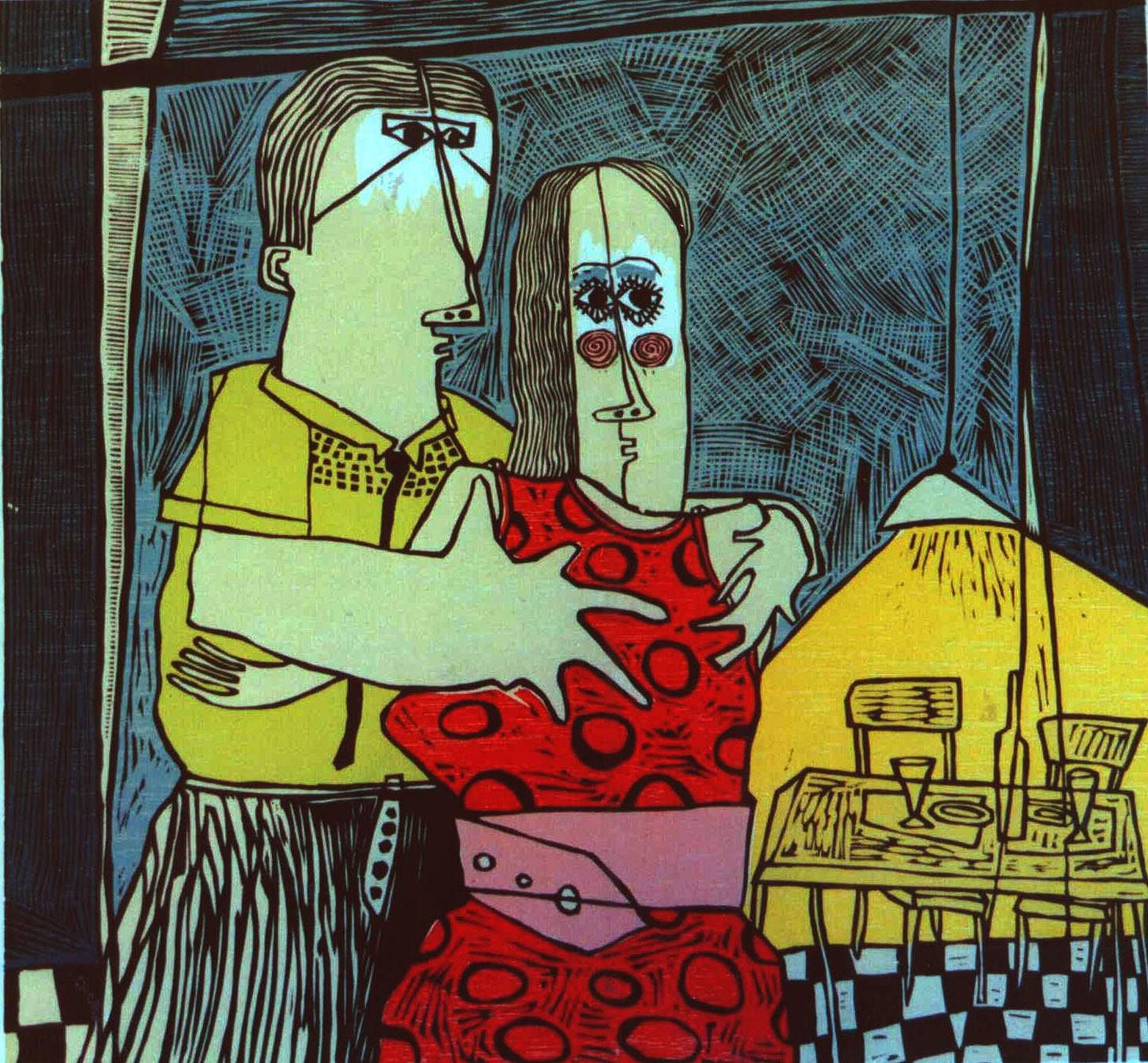
Nos Observan. Author: Rolando Garita.
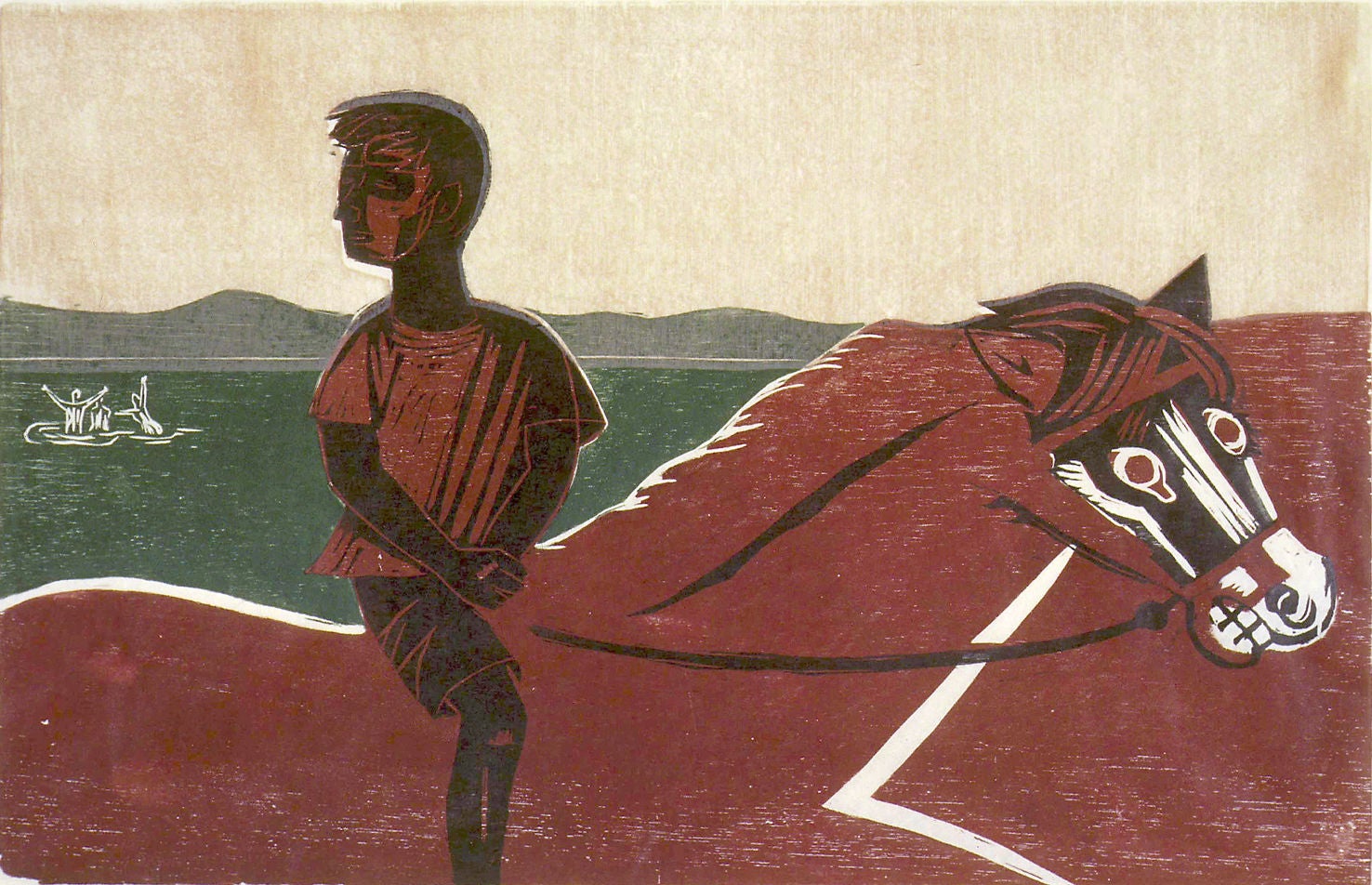
Niño en caballo Niño en caballo. Author: Francisco Amiguetti
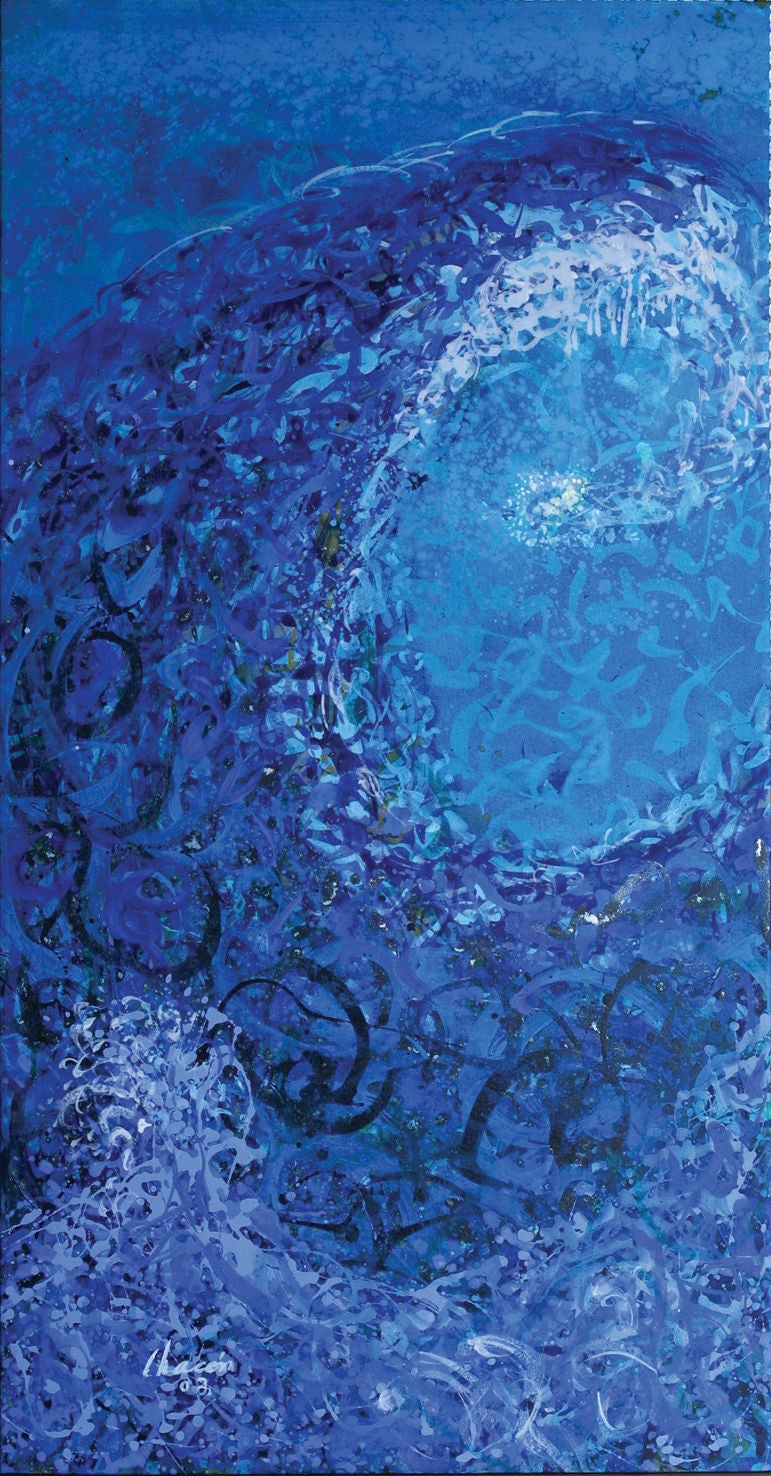
Ola Cósmica. Author: Luis Chacón, 2003
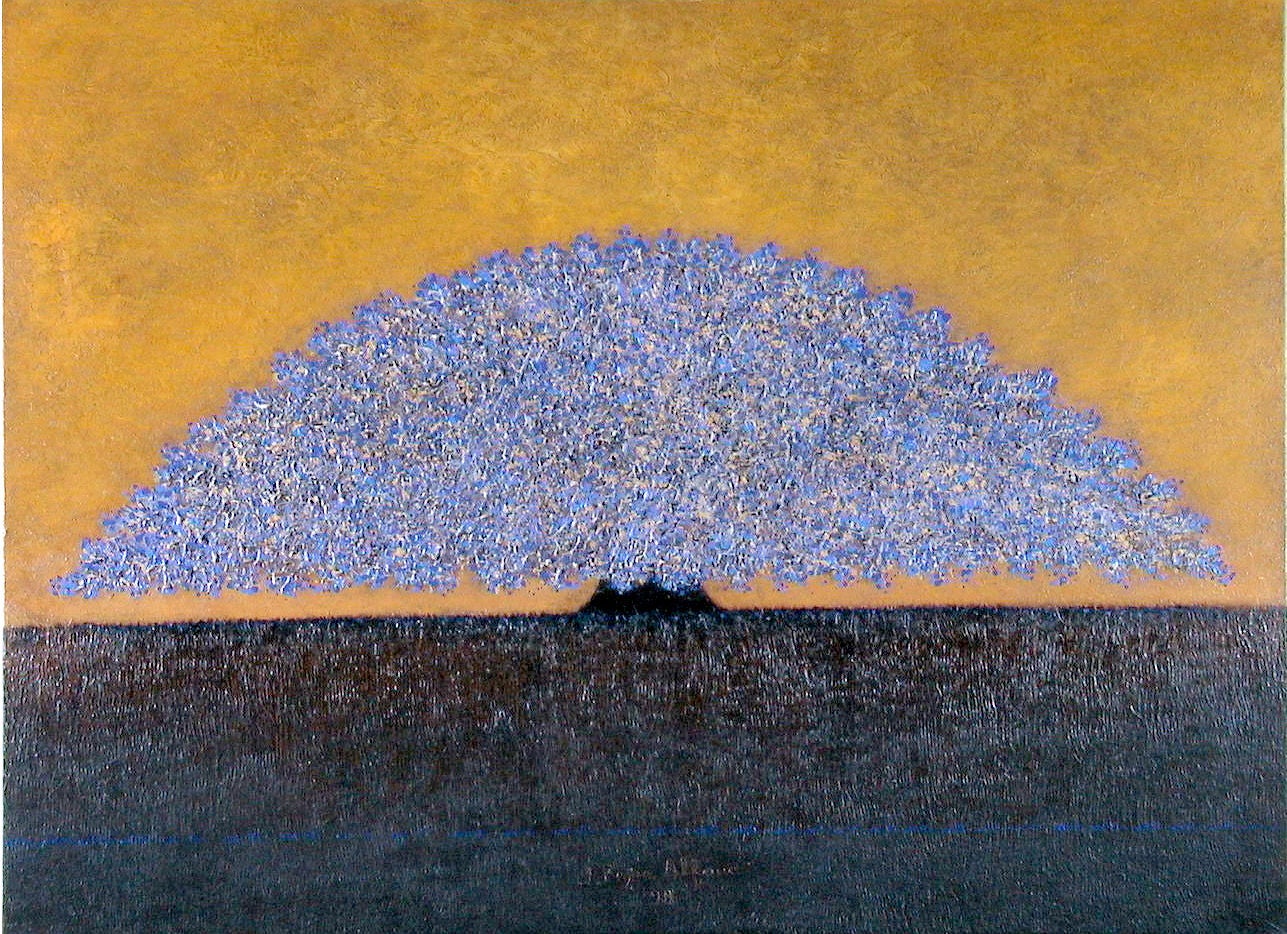
Paisaje campesino. Author: Fausto Pacheco.
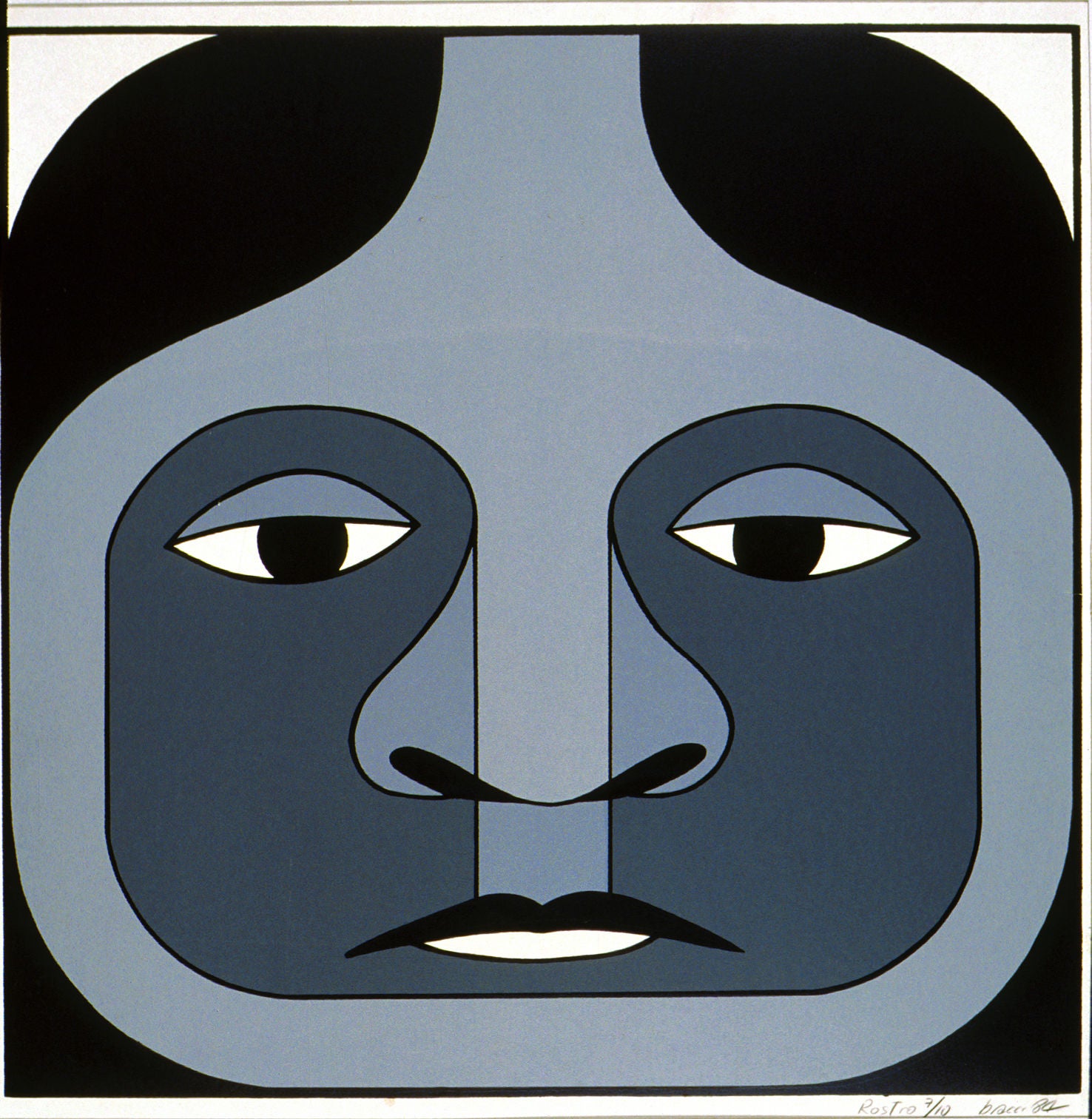
Rostro. Author: Álvaro Bracci, 1984
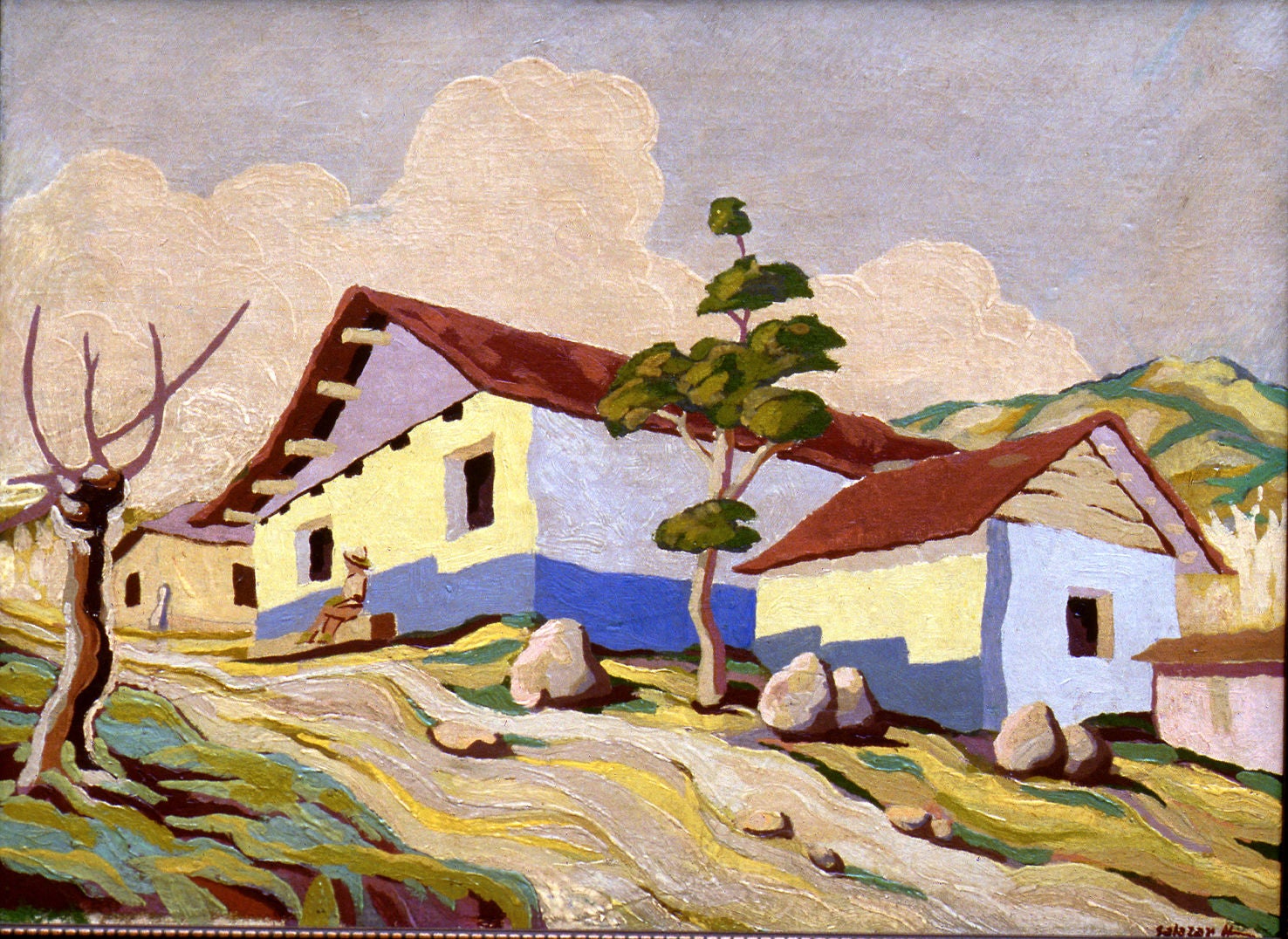
Casas. Author: Salazar H
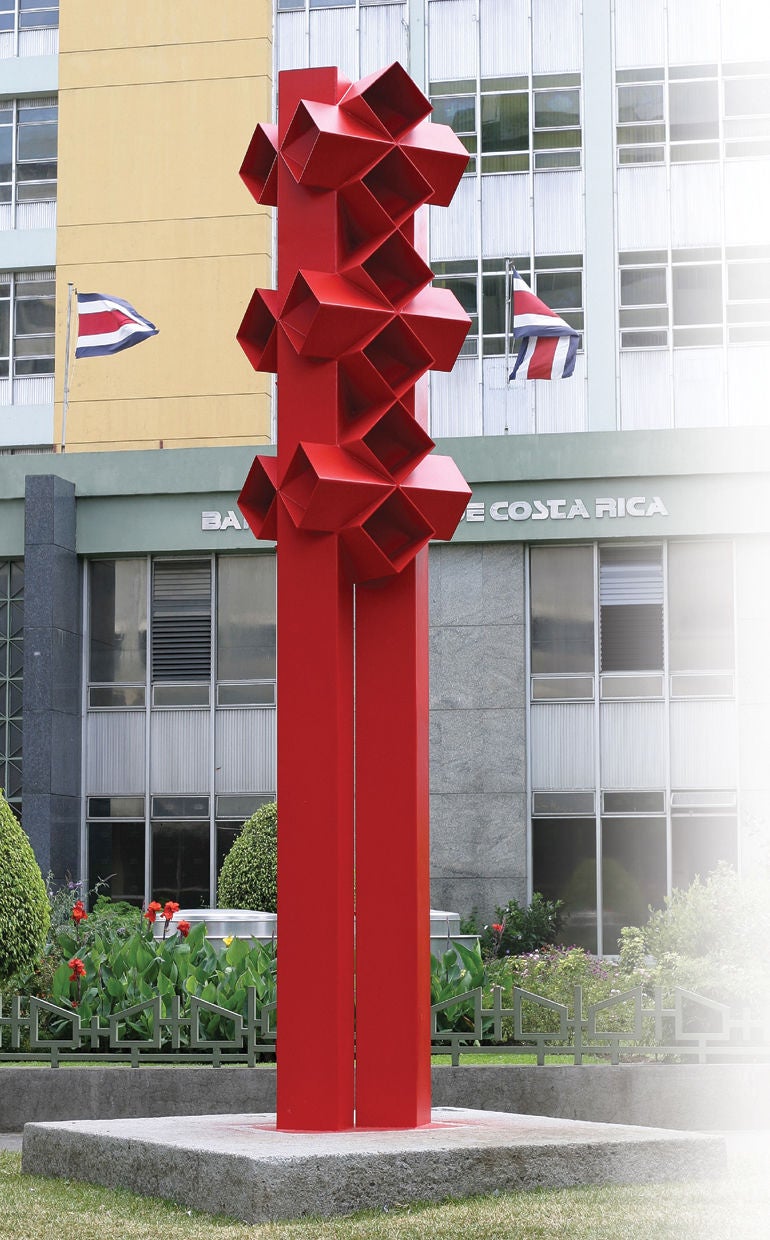
Arboriforme II. Author: José Sancho, 2004
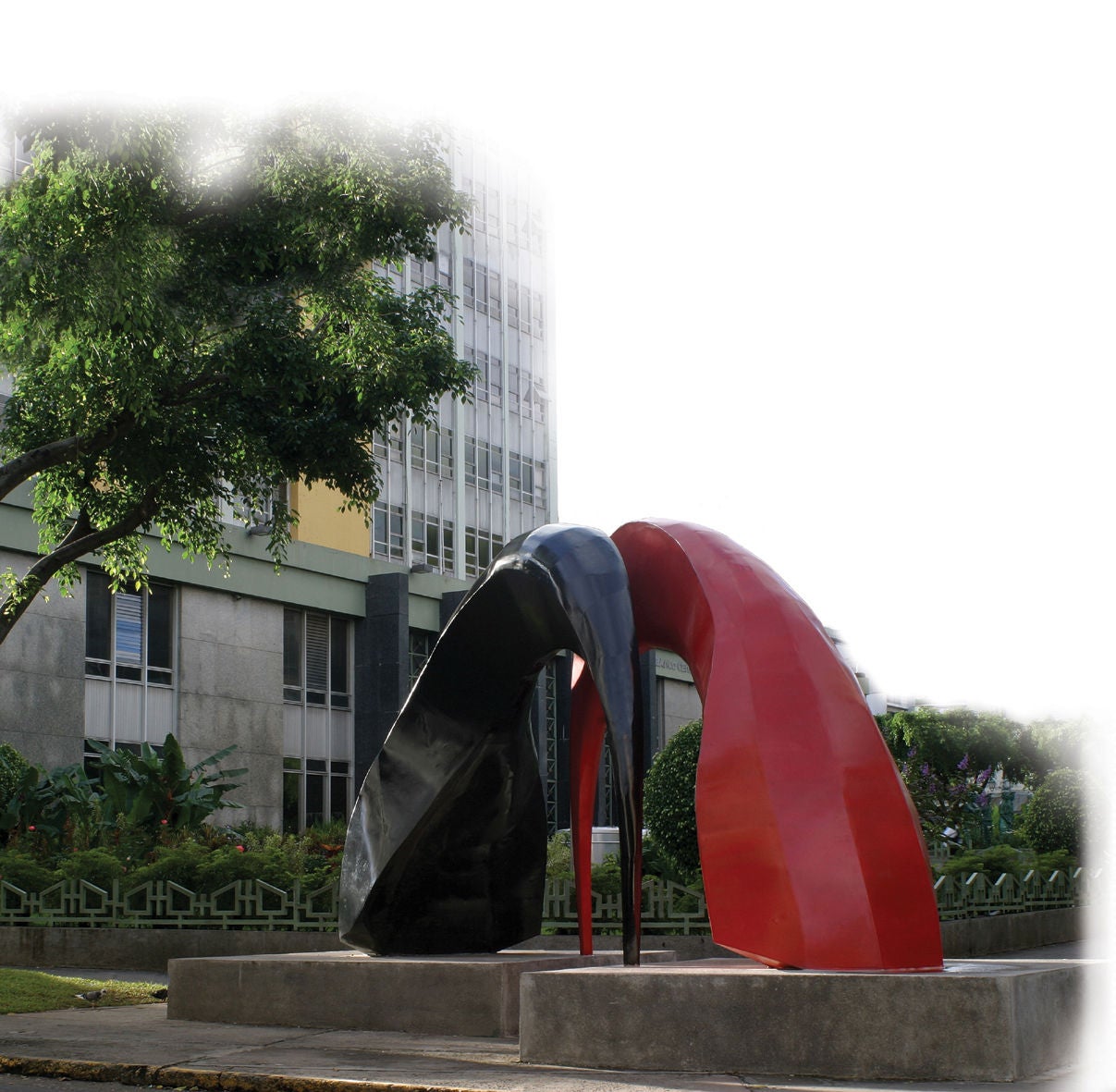
Espíritu del vuelo. Author: José Sancho, 2004
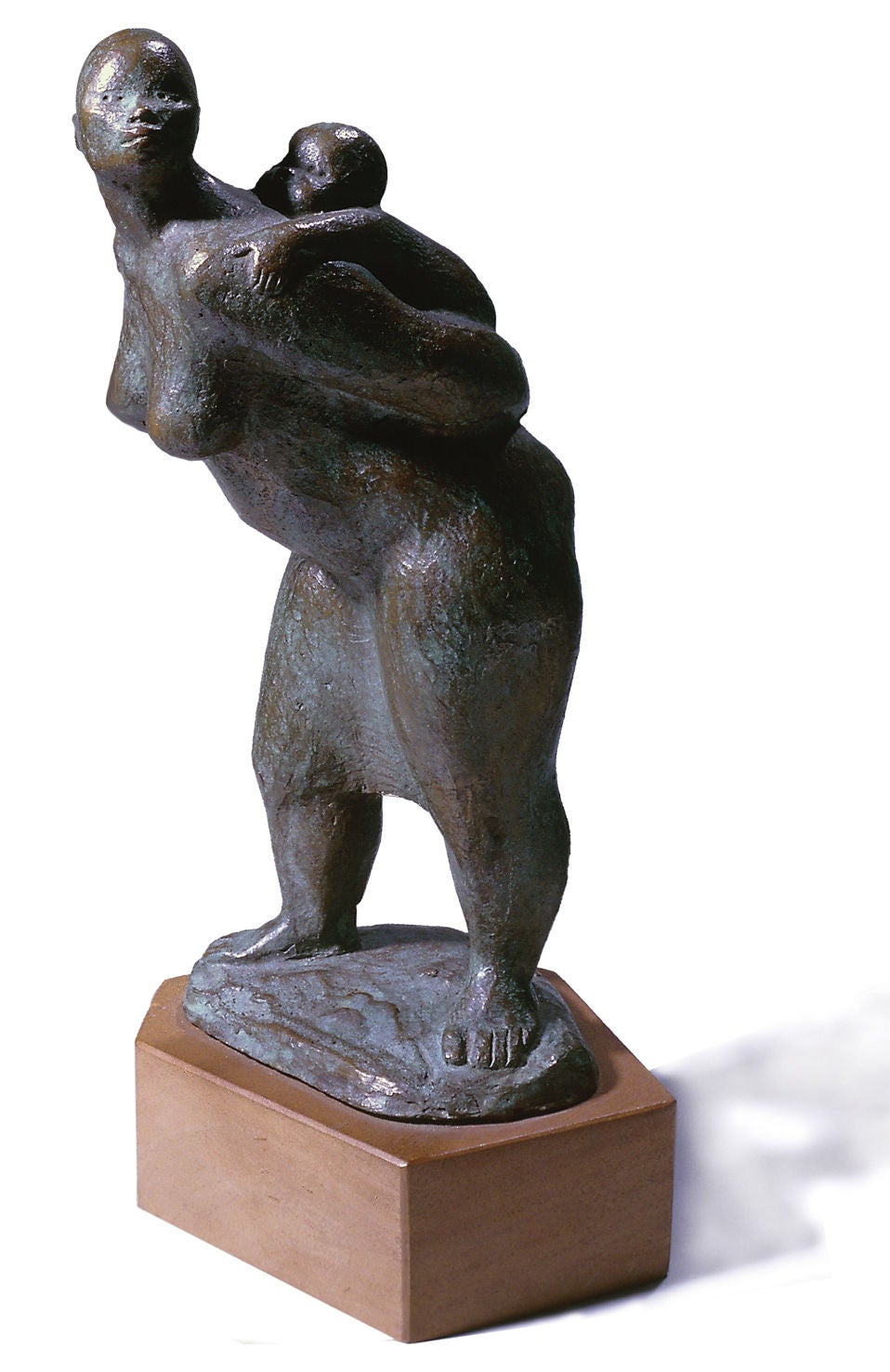
Mujer con niño a cuestas. Author: Olger Villegas, 1974
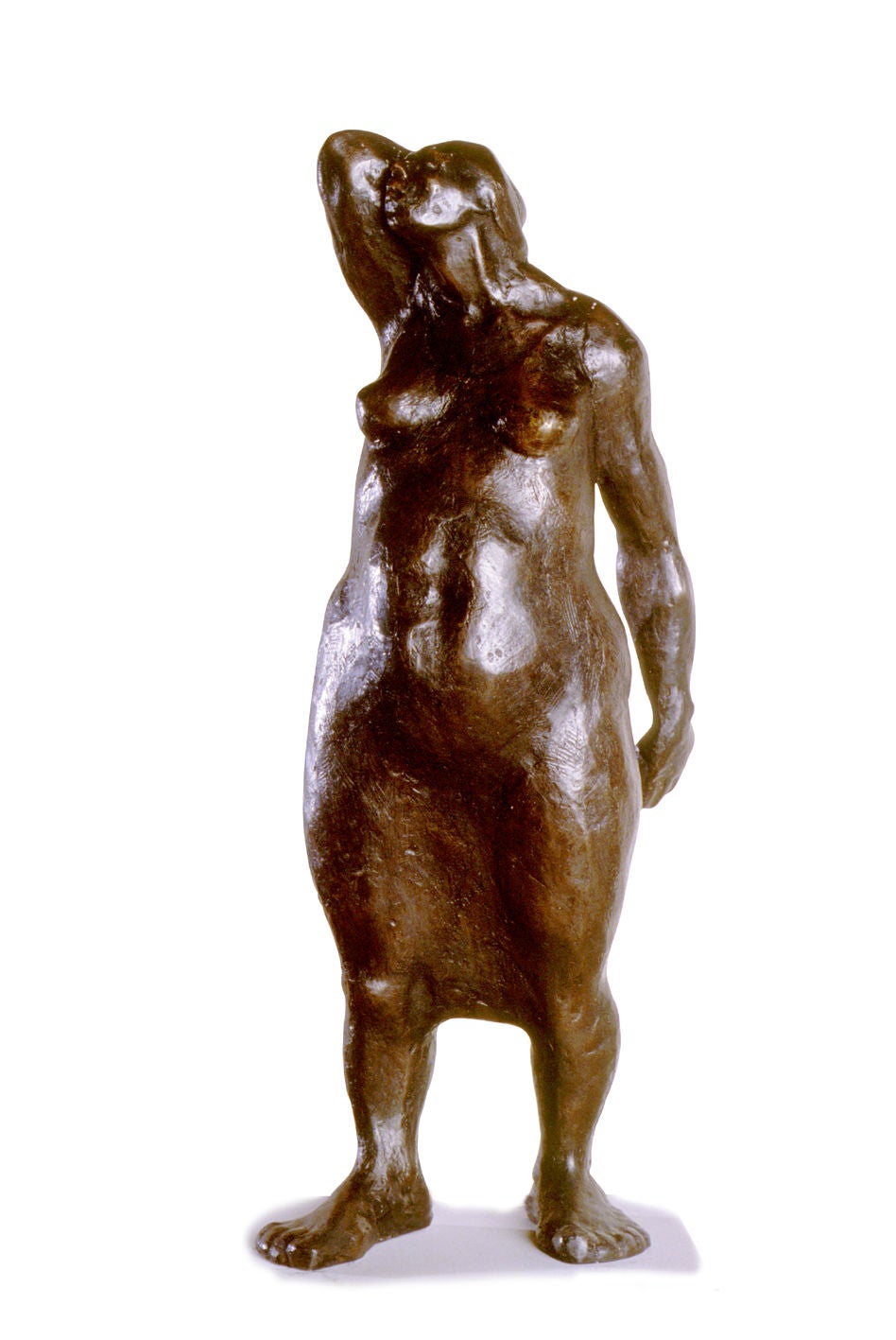
Pero, por qué. Author: Manuel Vargas, 1986
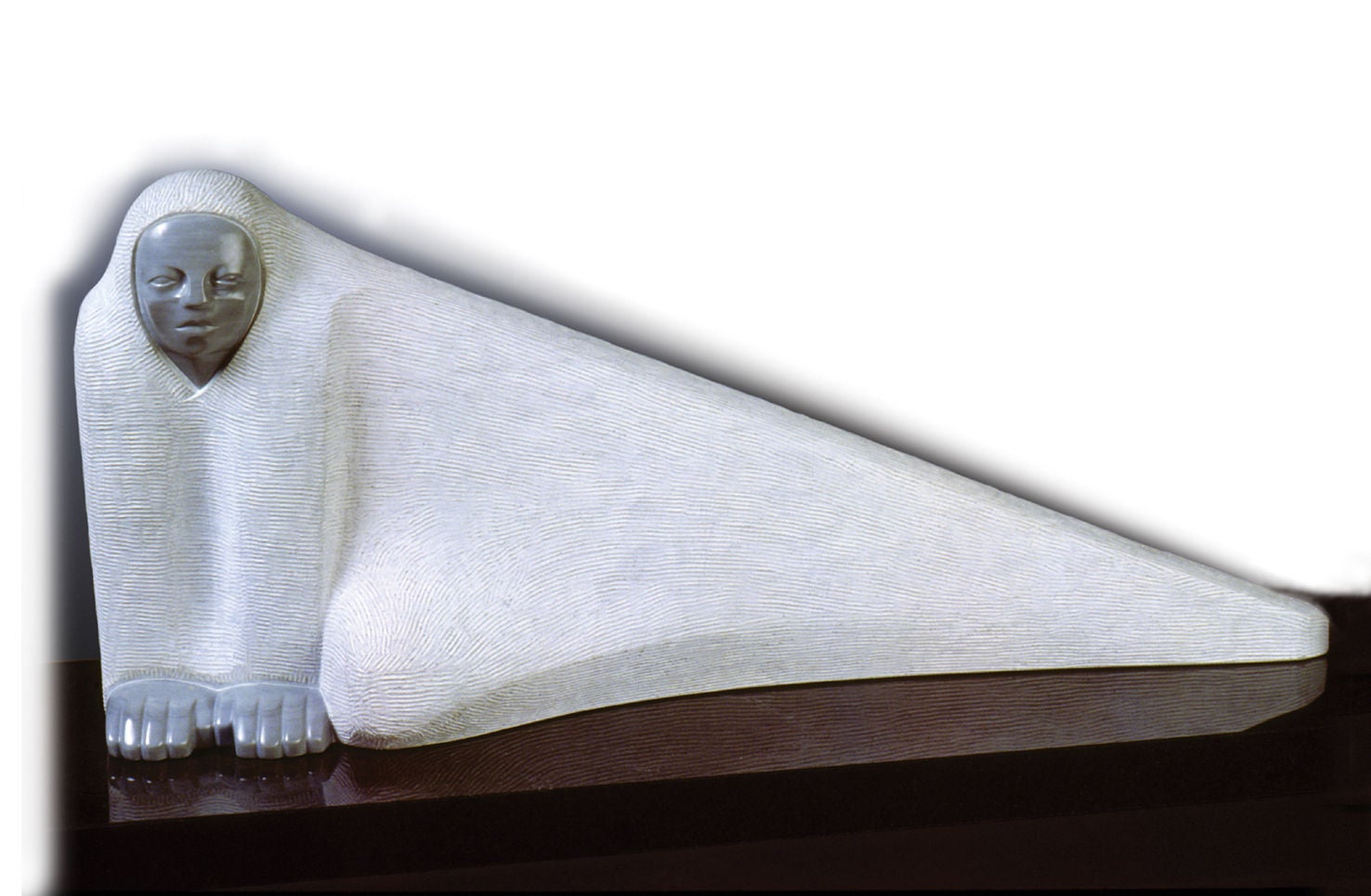
Poema mítico II. Author: Jorge Jiménez Deredia, 1985-1987
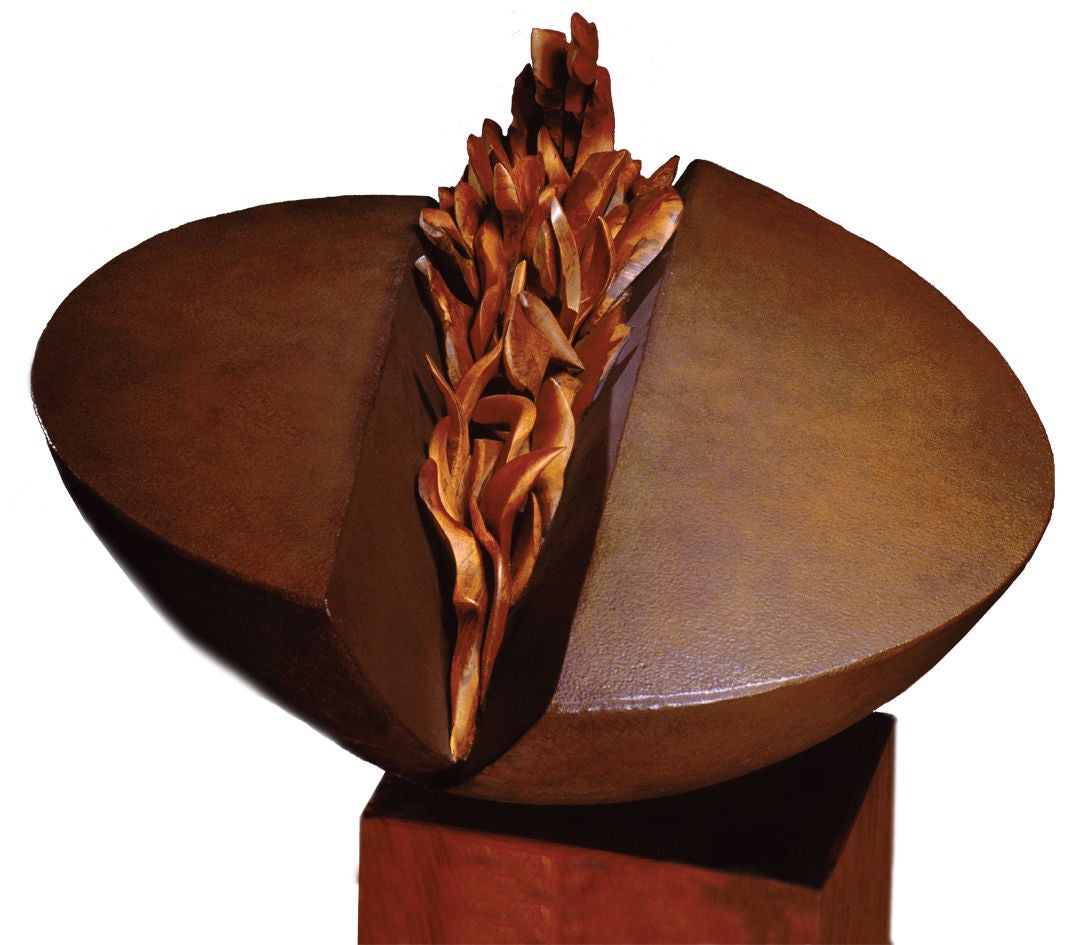
Semilla. Author: Herbert Zamora, 1987
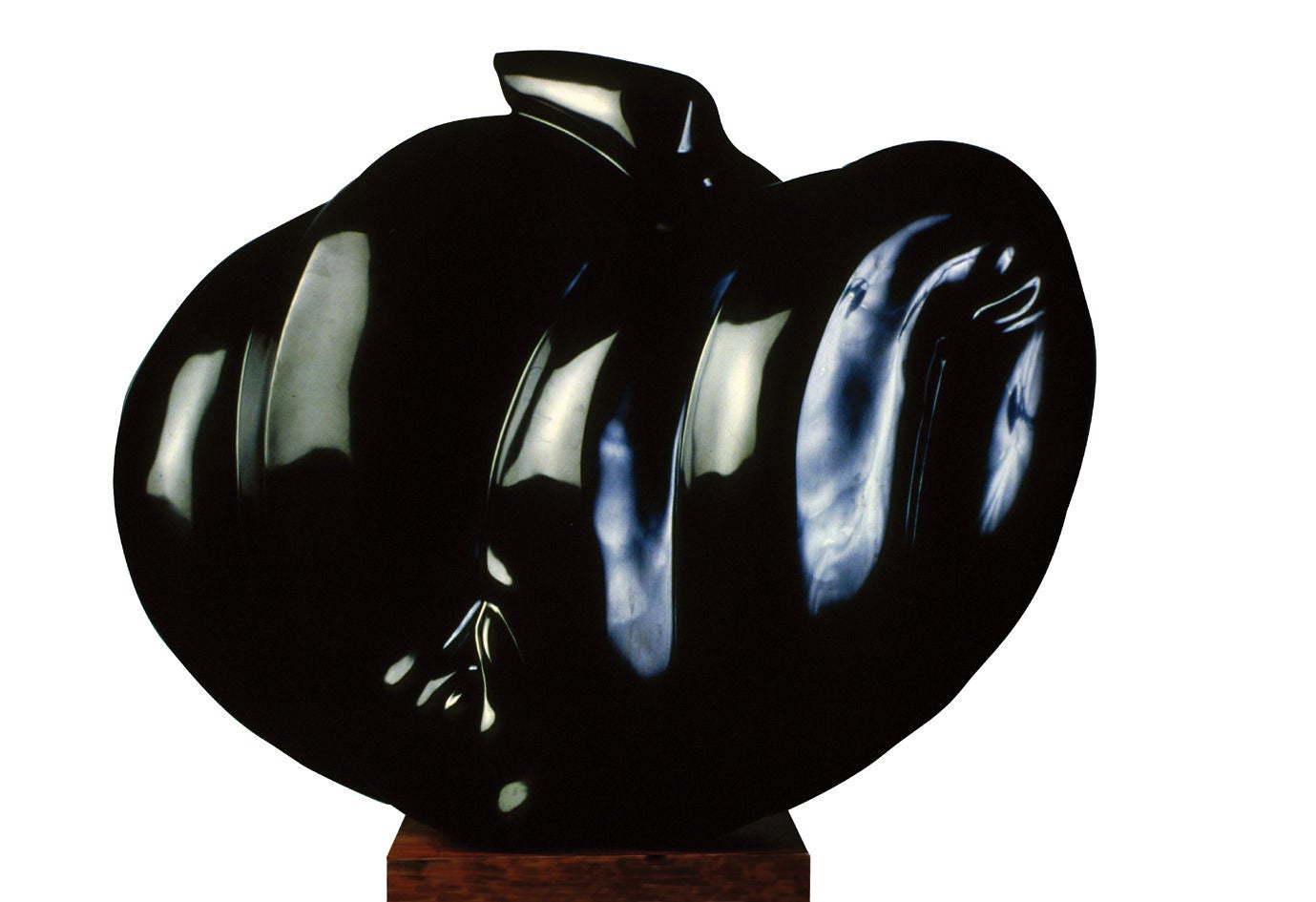
Sierpe. Author: José Sancho, 1984
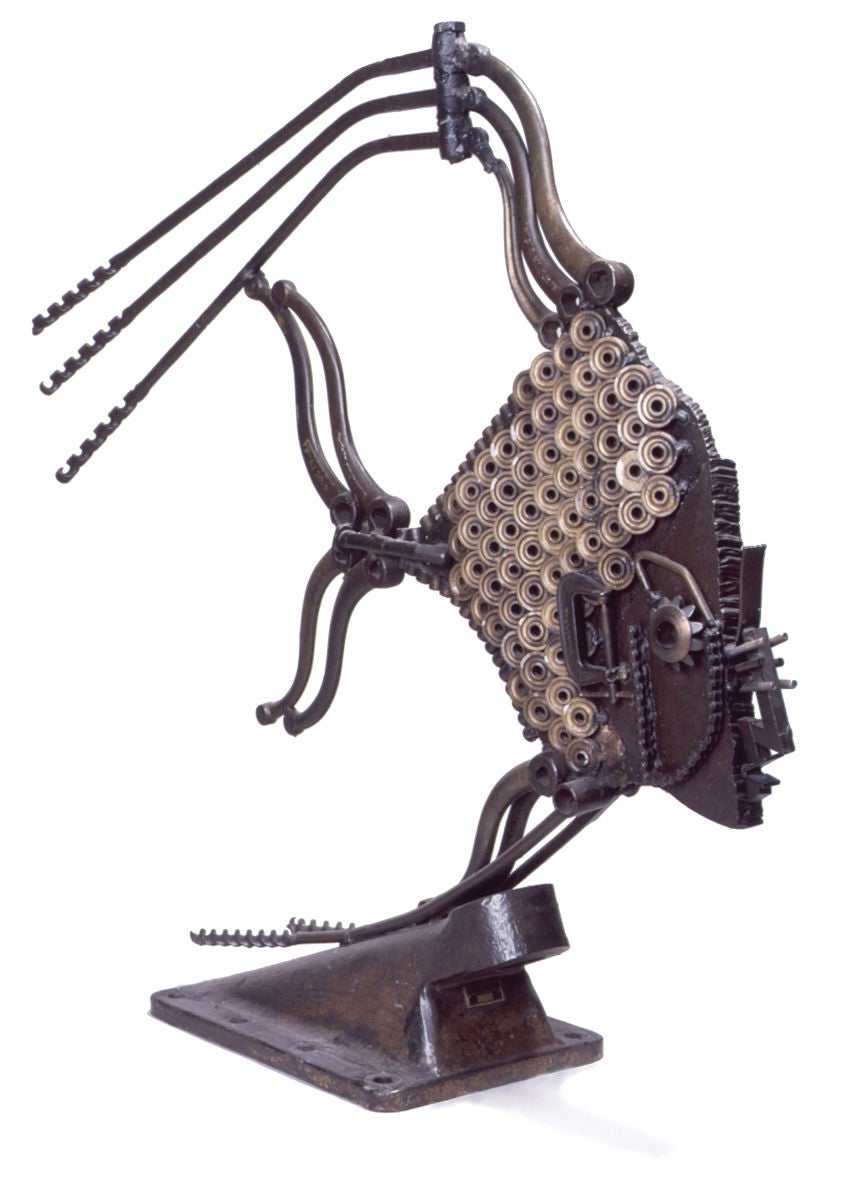
Silvette Pisciforme. Author: José Sancho.
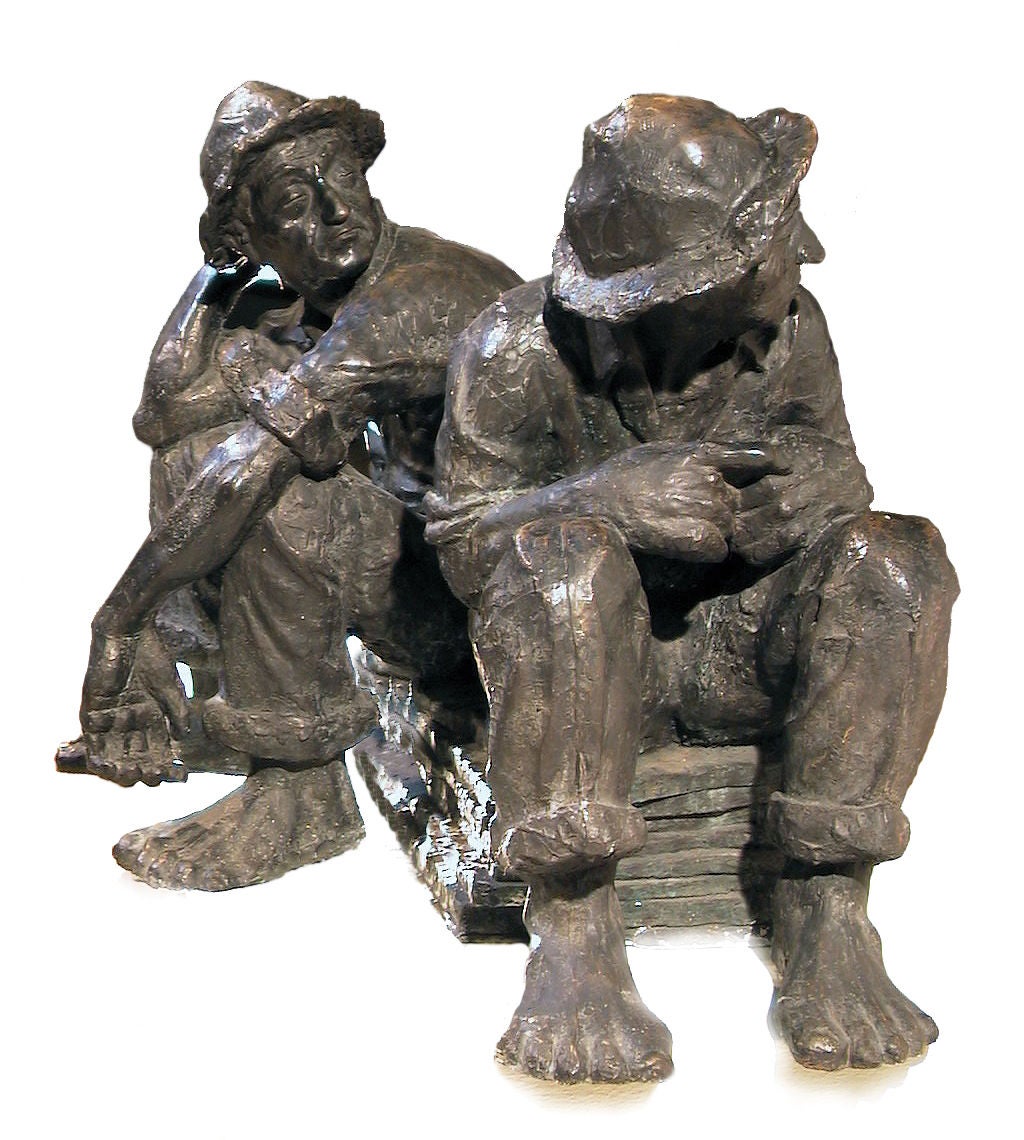
Un alto en el trabajo. Author: Fernando Calivo
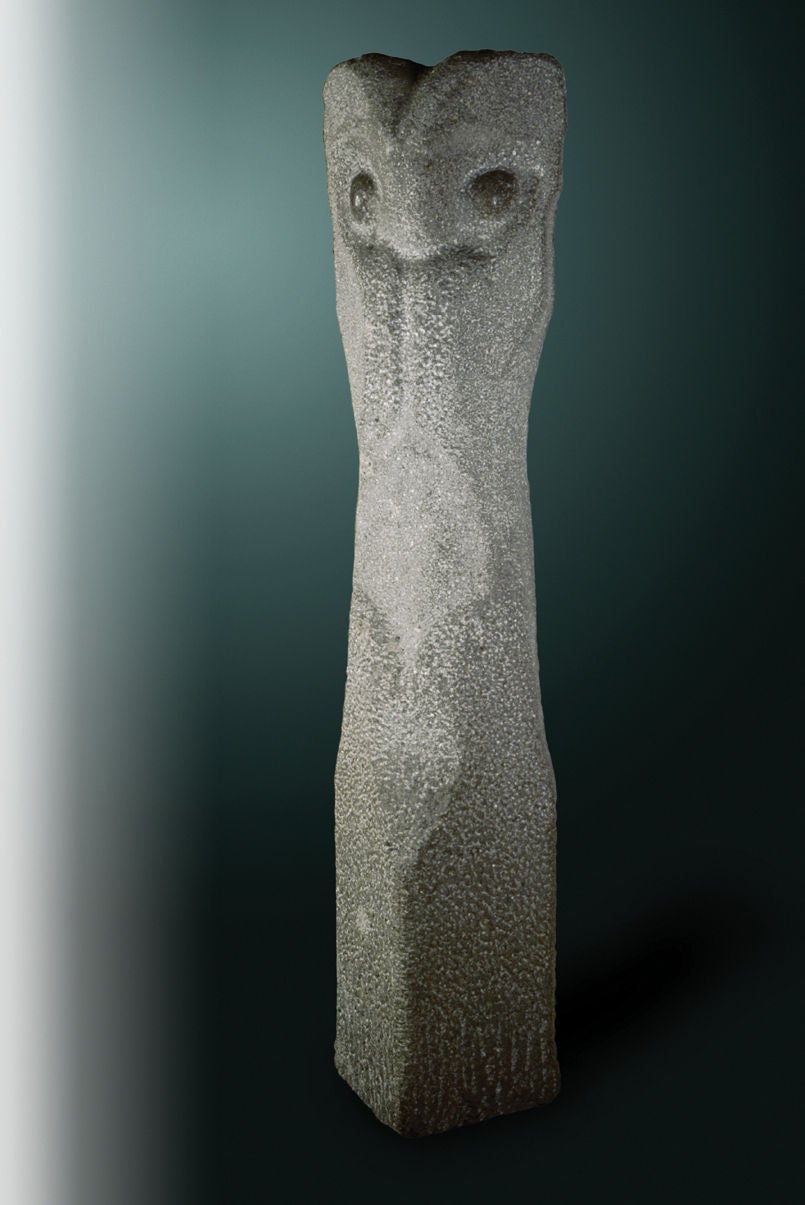
Vigilante del Pasado. Author: Hernán González, 1964
Cultural Heritage
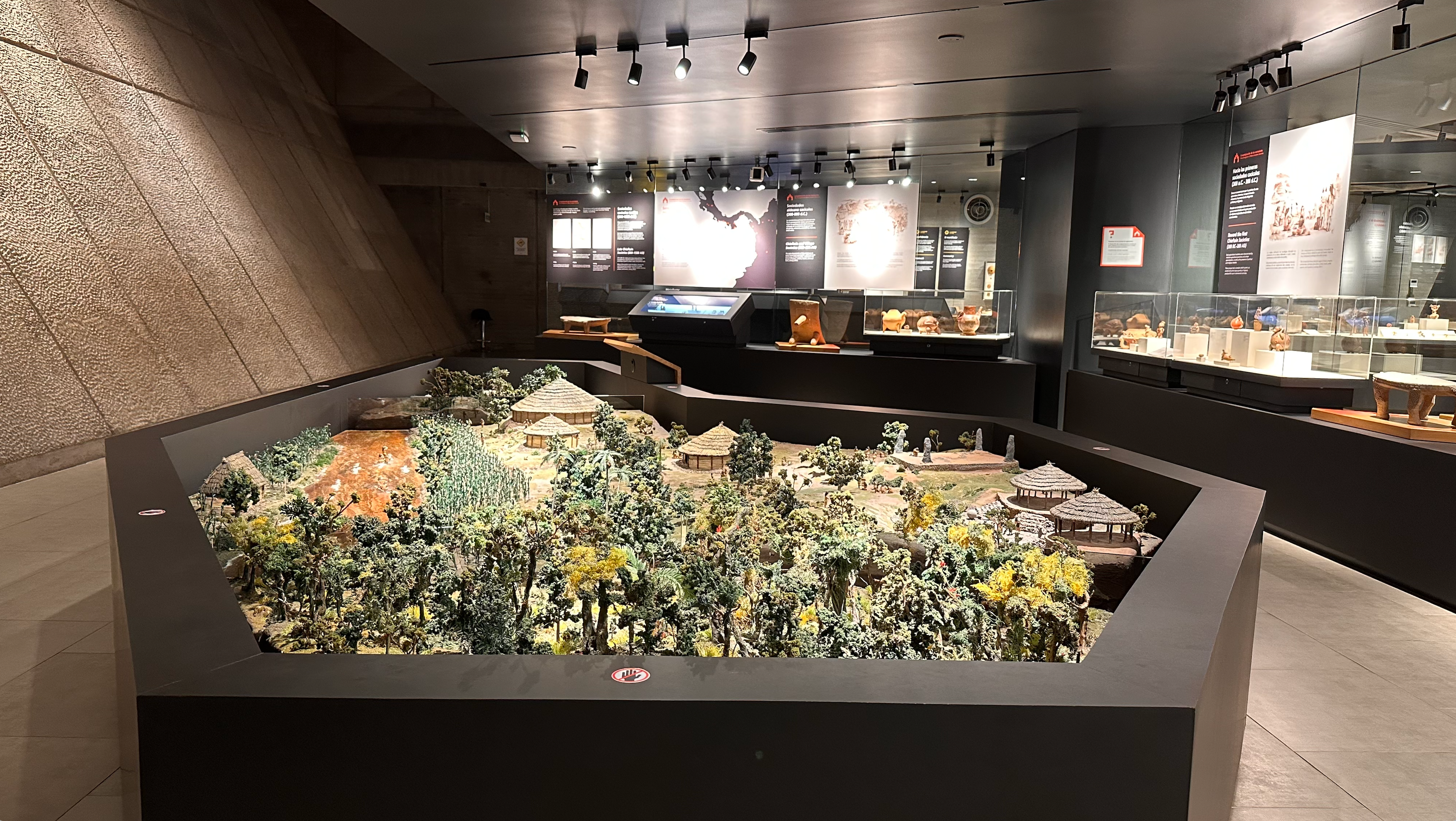
The Central Bank of Costa Rica, with the purpose of preserving the nation’s cultural and archaeological heritage, developed its pre-Columbian gold collection between 1950 and 1974. During the same period, it expanded its numismatic collection and began acquiring works by Costa Rican artists. At the beginning, a public gallery was open in the Bank’s main building. However, as the collections grew, a special museum was built to house them.
In order to manage more effectively its cultural work, on 10 November 1993, the Foundation to Administer the Central Bank’s Museums (Fundación para Administrar los Museos del Banco Central) was created through Law No. 7363. Ever since, a qualified multi-disciplinary group of professionals diligently work to offer new and varied exhibitions to visitors. Research work, technical publications, activities, workshops, and public concerts are also offered by the Cultural Center, in its permanent pursuit of excellence through education.
Plaza de la Cultura Project
After several years of efforts led by the Legal Advisory and Administrative divisions, with the support of the Board of Directors, the Presidency, and the Senior Management of the Central Bank of Costa Rica, in 2018, the Costa Rican Government completed the process to donate to the BCCR several land plots where the Plaza de la Cultura project was developed. As a result, the Bank became the sole owner of this property, with full ownership rights, which enables BCCR to manage the relevant legal and administrative matters including the physical and legal consolidation of the assets without any of the constraints faced in the past.
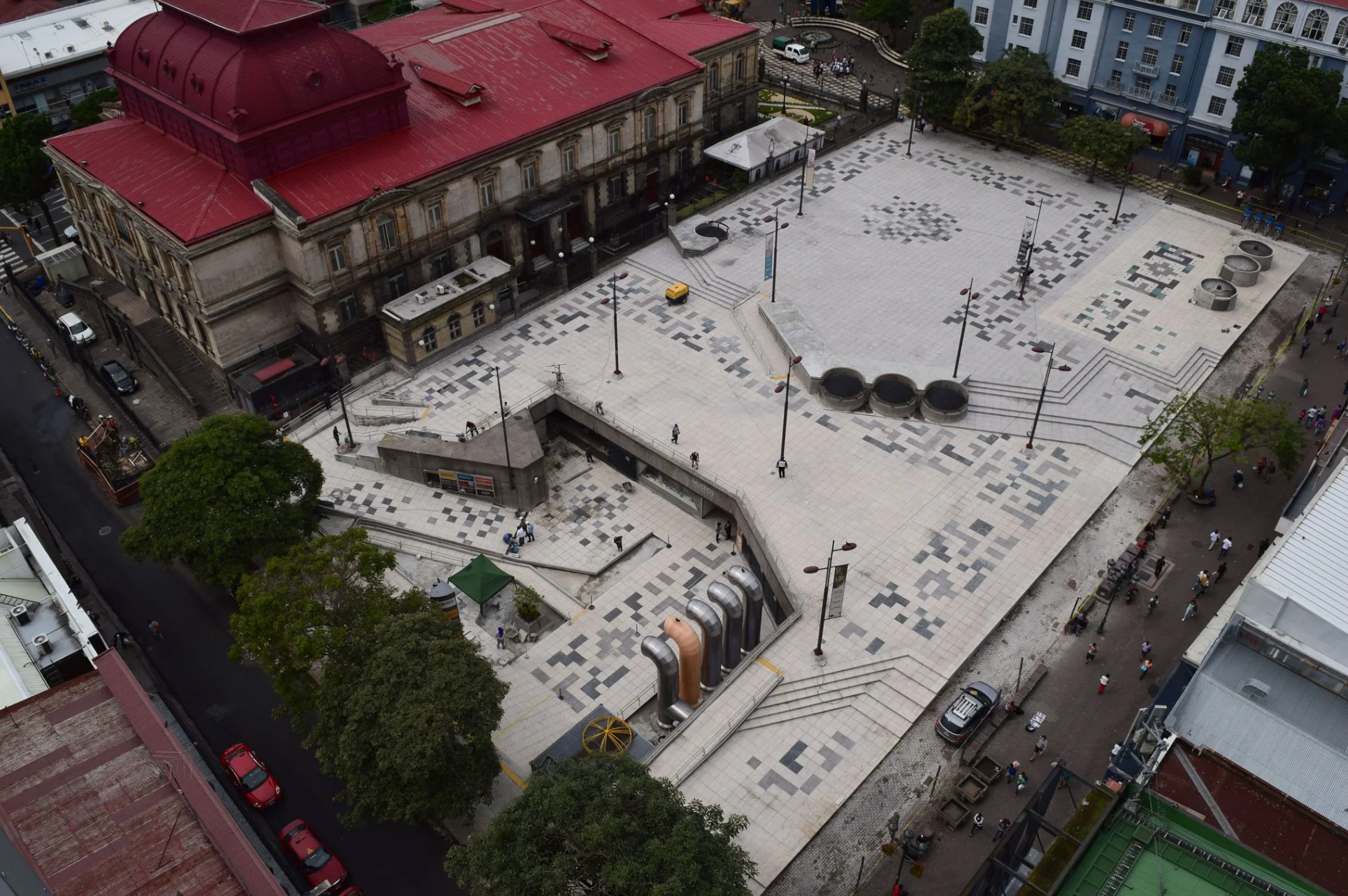
The immovable property donated by the Costa Rican Government includes part of the Plaza de la Cultura esplanade (three facilities next to the National Theatre), the ‘Juan Mora Fernández’ Park, and a lot on 3rd Street, between Fernández Güell and Second Avenues, knowns as the “National Arcades,” a historic and architectural landmark with unique features that will play an important role in the institution’s plans for the continued development of this project.
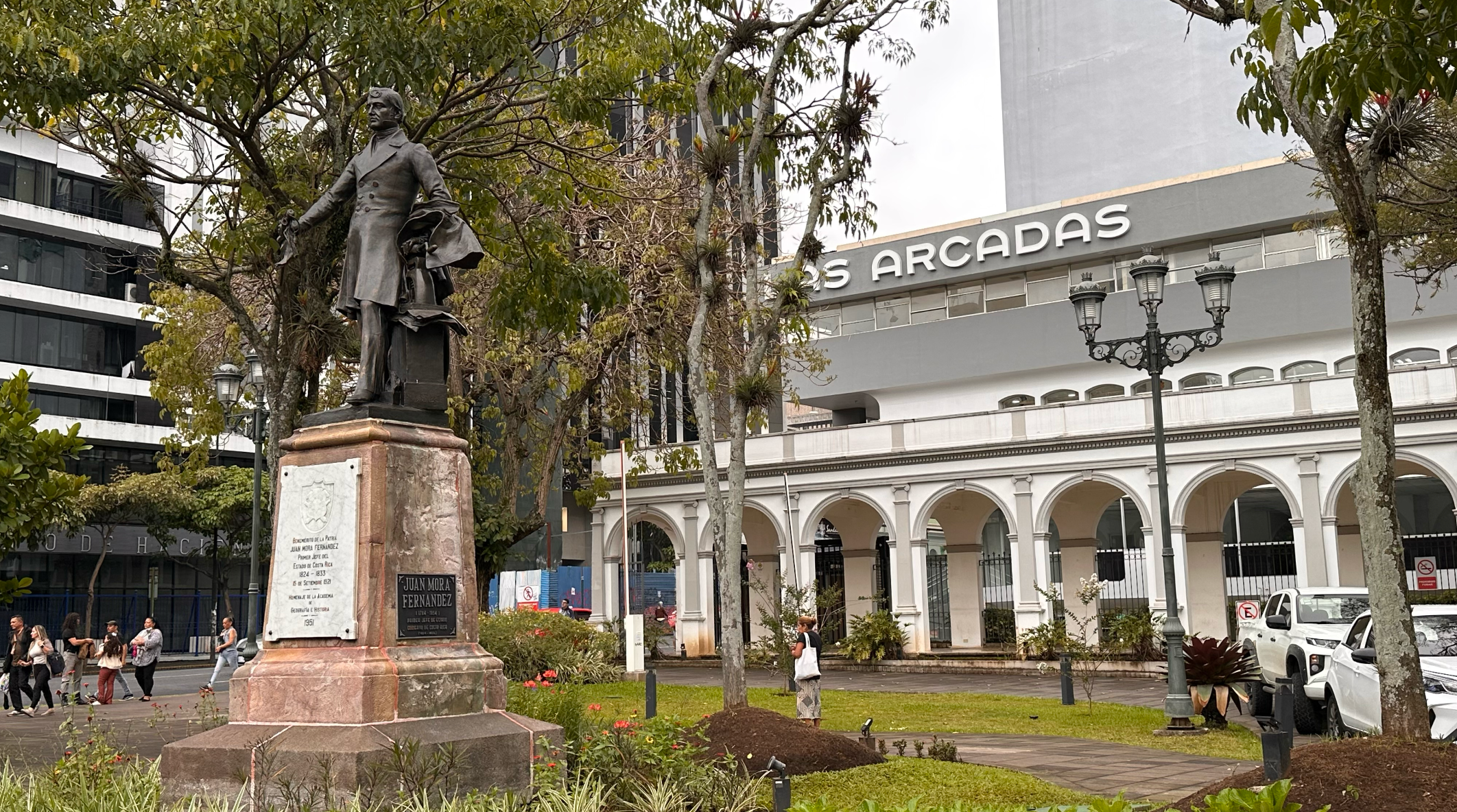
The Plaza de la Cultura project dates back to 1977, when Law 6025 declared the construction of this space as “of public interest and a national project” and entrusted the Central Bank with the administration and maintenance of the property. However, some of the estate remained under the government’s ownership, limiting the Bank’s ability to manage it from both a legal and administrative perspective.
To address this situation, in 2014, the BCCR Board of Directors resolved to request the Executive Branch to complete the final donation of the property to the Bank. Following the subsequent administrative process, the Government approved the request through Resolution No. 002-2018, dated January 18, 2018. The standard donation and property consolidation procedures were then completed, and the transfer was finalized in June 2018.
With the property now under its ownership, the Central Bank has reaffirmed the original purpose of Plaza de la Cultura: to provide a space for recreation and enjoyment in the capital city, one of great cultural and architectural significance, a landmark for urban tourism, and a place that protects the Museums of the Central Bank’s building and the collections it houses.